
Leadership & Management
Stop Digitizing Your Chaos
No technology, no AI, no automation in the world can save an organization where justice does not exist.
Today, companies have almost everything they were promised.
- AI assistants are embedded into daily workflows.
- CRMs operate with near full automation.
- ERP systems control cost with precision.
- Every activity is mapped, measured, and digitized.
On paper, this should be the golden age of productivity.
And yet, it isn’t.
Because all of this only works if your organization was designed for machines.
If your workforce is human, technology alone will never make you truly efficient or profitable. No matter how impressive the ROI looks on a slide deck.
Still sounds abstract?
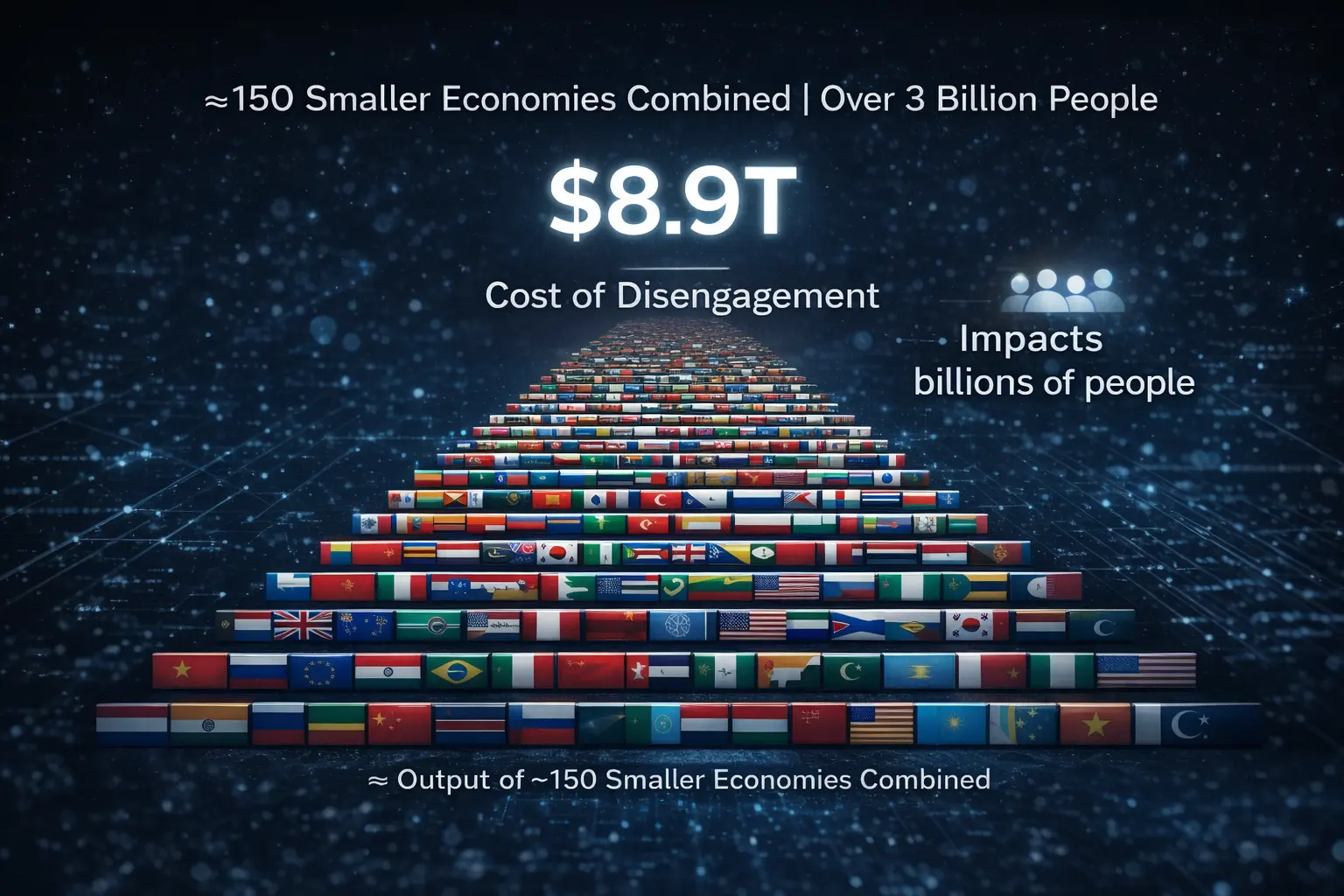
According to the Gallup 2025 State of the Global Workplace report, low employee engagement costs the global economy $8.9 trillion annually.
To understand the scale of this number, imagine adding up the GDP of the world’s smallest economies, starting from the bottom of the list and moving upward.
You would need roughly 150 countries combined to reach the same amount!
This is not a marginal inefficiency.
It is a structural failure.
- Globally, employee engagement stands at just 23%.
- In the Middle East and North Africa region, it drops to around 13%.
In what industry, in what system, in what business would such a loss rate ever be considered acceptable?
The reality is even more unsettling.
Around 62% of the global workforce is not engaged, contributing only the minimum required effort rather than real value.
Another 15% is actively disengaged, employees who undermine value rather than create it.
This means many organizations are effectively operating with nearly twice the workforce actually needed to keep a broken system alive.
Instead of fixing the system, we hire more people to compensate for it.
But when most new hires eventually disconnect, time does not heal the organization. It pushes it closer to collapse.
Because with every misguided action, internal entropy increases.
The human factor is often dismissed as “unmanageable.”
So leaders avoid it.
They optimize around it.
They automate around it.
Yet the solution is not complex.
It begins with justice.
With management decisions that are rational, transparent, and supported by data rather than perception or politics.
Today, under the banner of “corporate structure,” organizations spend twice the necessary time and energy using disconnected tools. Excel files. Word templates. PDFs. Systems that appear structured but are not truly integrated.
Despite all this effort, results remain elusive.
Why?
Because fragmented data does not produce intelligence.
It does not reveal patterns.
Data that must be evaluated together is analyzed in isolation.
The outcome is predictable: flawed judgment, incomplete evaluation, or the complete dismissal of critical signals.
The Architecture of Intelligence: From Ordinary Elements to Biological Software
Consider Carbon, Hydrogen, Nitrogen, Oxygen, and Phosphorus.
Individually, they seem ordinary.
But when these five elements come together in the right architecture, they form DNA.
- A structure capable of self-replication with extraordinary precision.
- Theoretically storing nearly 200,000 terabytes of information per gram.
- Operating much like a biological software system.
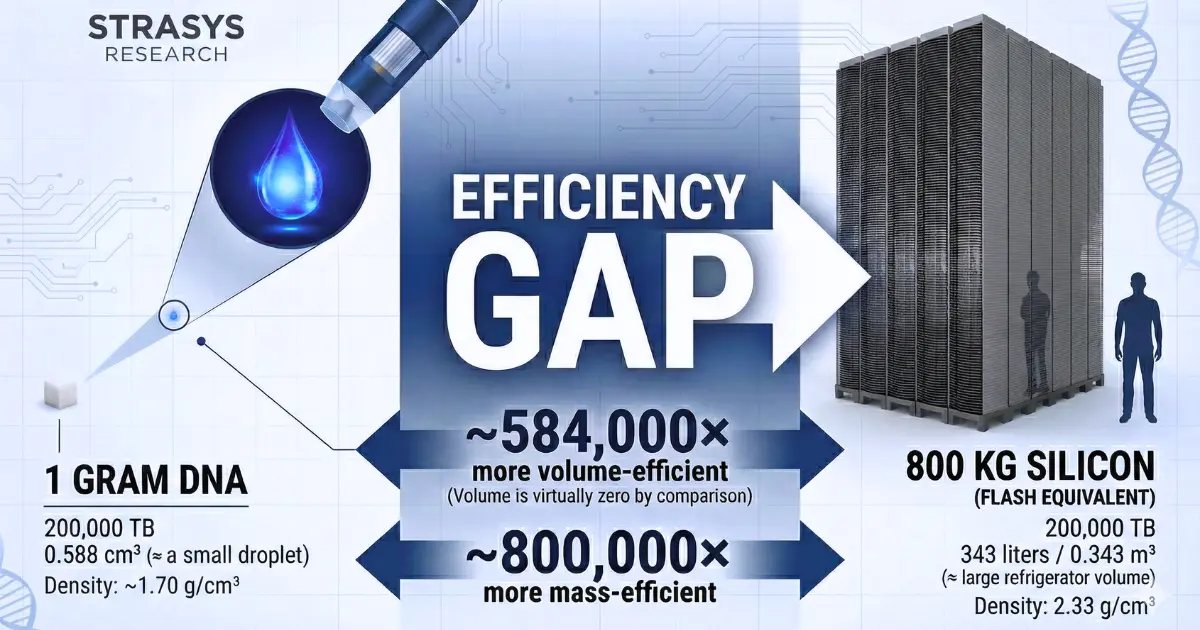
Power does not come from the parts.
It comes from the structure.
This is the core reason modern organizations fail to solve systemic issues through Talent Acquisition alone. Leadership and Organizational Intelligence cannot function as a collection of tools. They must operate as an operating system.
If you hire a manager and hand them fifty disconnected tools, expecting them to lead an organization, you are not executing a strategy.
You are not executing a strategy. You are placing a bet, and the odds are not in your favor.
Imagine a General communicating with officers through letters, while the opposing force operates with real-time communication and AI-driven simulations.
Even with five times the manpower, what are the chances the first general wins that war?
Technology does not fail organizations.
People do not fail organizations.
Systems do, when they are unjust.
And no amount of digital transformation can fix that illusion.
This perspective led us to build STRASYS, an operating system designed to bring coherence to organizational intelligence.
STRASYS-The Operating System of Organizational Intelligence
From fragmented tools → to one coherent system
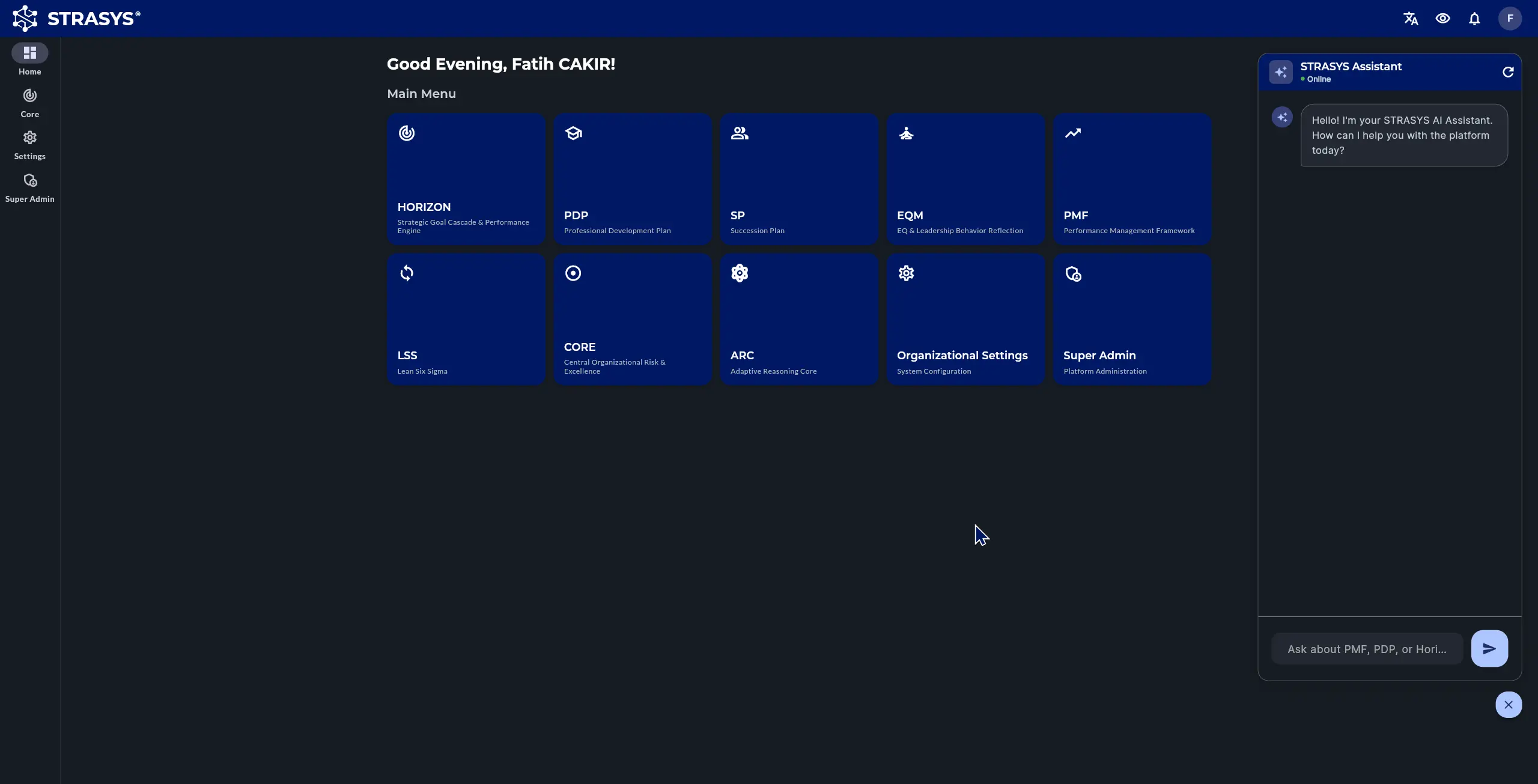
Stop managing scattered data. Start managing Organizational Intelligence with STRASYS
#OrganizationalIntelligence #LeadershipOperatingSystem #STRASYS #ExecutiveLeadership #ManagementSystems
.svg)
.webp)



.svg)
RETURN TO TOP🔝