STRASYS Research

Insights

Field-tested perspectives on leadership, organizational intelligence, and the operating systems behind modern enterprises.

Digital Transformation

AI Is the New Lean Six Sigma. Most Companies Will Fail It the Same Way.

The AI and digital transformation frenzy is the late-1990s Lean Six Sigma storm all over again. Most companies will fail it for the same reason: culture, not technology.

Jun 14, 20268 mins read
Leadership & Management

Still Waiting for the "Big Idea"?

How I Turned 20 Years of Corporate Chaos into a SaaS Platform. Why the best products are not invented in brainstorming sessions but uncovered from your past.

May 2, 202615 mins read
Leadership & Management

Stop Digitizing Your Chaos

Why no amount of AI or automation can save an unjust organization.

April 23, 202615 mins read
Leadership & Management

What is Organizational Intelligence? | The Definitive Guide by STRASYS

Explore the true meaning of Organizational Intelligence. Learn how STRASYS® redefines business performance through Algorithmic Leadership, Strategic Goal Cascade, and unified data architecture.

April 15, 202615 mins read
Leadership & Management

From 20 Years of Executive Experience to Digital Reality: The Origin of STRASYS

STRASYS wasn't built in a coding bootcamp. It was forged in the field. Discover how two decades of executive leadership in Pharma and TIC industries evolved into the ultimate Organizational Intelligence Platform.

April 6, 202615 mins read
Leadership & Management

Saha Tecrübesinden Dijital Zekaya: STRASYS'in Doğuşu

20 yıllık saha liderliği deneyiminden doğan STRASYS; stratejiyi, performansı, yetkinliği ve davranışı tek bir organizasyonel zeka katmanında birleştirerek şirketlerin karar alma biçimini yeniden tanımlar.

March 29, 202615 mins read
Leadership & Management

Leadership: The Last Unstructured Process in Business (Until Now)

Sales has CRM. Finance has ERP. But Leadership? It's still stuck in spreadsheets and office politics. Discover why leaving your most critical asset to "intuition" is costing you millions, and how STRASYS brings architectural order to the chaos of human capital.

March 20, 202615 mins read
Leadership & Management

The $8.8 Trillion Blind Spot: Why Are We Still Guessing About Leadership?

The global economy loses $8.8 trillion annually to low engagement. While we automate finance and logistics, leadership remains managed by intuition. Discover the "Automation Gap" and how to close it.

March 12, 202615 mins read
Leadership & Management

Being an Executive in TIC: The Art of Balancing Strategy and People

In the high-pressure world of Test, Inspection, and Certification (TIC), good intentions aren't enough. Discover how to replace "Open Door Policies" with "Algorithmic Transparency" using STRASYS, and why delaying a decision is worse than making a wrong one.

March 3, 202615 mins read
Personal Growth

The Myth of the "Super-Manager": Why Soft Skills Are Failing Without Hard Data

Leadership training often fails because it relies on willpower rather than visibility. Discover how STRASYS operationalizes abstract concepts like empathy, delegation, and conflict resolution by transforming them into measurable data points via COMET, Culture Module, and ATLAS.

February 24, 202615 mins read
Personal Growth

The Human Variable: Why Emotional Intelligence Needs a System, Not Just Willpower

Even the best leaders have bad days. Discover why relying solely on personal self-regulation fails and how STRASYS Culture Module provides the structural governance needed to manage workplace relationships objectively.

February 15, 202610 mins read
Workplace Dynamics

The Algorithmic Bridge: Engineering Cultural Intelligence in Global Operations

In today's globalized business environment, the role of regional leaders is more complex and challenging than ever before.

February 7, 202615 mins read
Workplace Dynamics

Rethinking Toxicity: Why the Absence of Data is the Real Root Cause

Toxicity thrives in the grey areas of subjectivity. Discover how the absence of data fuels bias, nepotism, and the "blame game," and how STRASYS uses algorithmic intelligence to protect employees, managers, and the organization simultaneously.

January 29, 202615 mins read
Workplace Dynamics

Quantifying the Intangible: Operationalizing Emotional Intelligence in Leadership

Emotional Intelligence (EQ) is often treated as a vague "critical soft skill." Discover how STRASYS transforms EQ into a measurable operational metric, using the Culture Module to diagnose cultural gaps and the Leadership Engine to engineer behavioral change.

January 22, 202615 mins read
Personal Growth

Managing Upwards: Replacing Office Politics with Algorithmic Precision

"Managing Up" has traditionally been about pattern recognition and office politics. STRASYS renders this obsolete by aligning leaders through the ORBIT Risk Engine, SPECTRA’s Single Source of Truth, and Execution’s strategic cascade.

January 13, 202615 mins read
Leadership & Management

From Intuition to Algorithm: Operationalizing Pattern Recognition

Stop guessing why talent leaves or why strategies fail. Discover how STRASYS ORBIT and COMET engines utilize cross-module intelligence to detect 'Toxic Success,' 'Turnover Risk,' and 'Skill Decay' patterns before they impact your bottom line.

January 5, 202615 mins read
Digital Transformation

AI Is the New Lean Six Sigma. Most Companies Will Fail It the Same Way.

Two decades in operations taught us to recognize a wave when we see one. This is the same wave, with a new name.

SSTRASYS ResearchJun 14, 20268 mins read
AI Is the New Lean Six Sigma. Most Companies Will Fail It the Same Way.

Are we the only ones who look at the current "AI and digital transformation" frenzy and see the Lean Six Sigma storm of the late 1990s all over again?

Back then the movement caught fire. The company that comes to mind first, the one that did it properly, was General Electric. Beyond GE, tens of thousands of firms piled in. The share that captured real, lasting gains was a small minority, and the ones who executed it flawlessly did not fill one hand.

The numbers on this generation of change are no kinder. McKinsey's own research puts the failure rate of transformation efforts at roughly 70 percent, which leaves the success rate near 30 percent. Bain's 2024 analysis put it higher still, with 88 percent of business transformations falling short of their original ambitions. We are living the exact same cycle today with AI, and we have not even hit the peak yet.

Culture, Not Technology

Two processes, almost identical. And just like Six Sigma, the deciding factor in AI and digital transformation will not be technology. It will be culture.

The hundreds of thousands of companies that say "we will throw money at it, open an office, hire a good CTO, and be done" are going to fail badly. We will watch it happen together.

The number that should be on everyone's radar comes from Gallup. Its State of the Global Workplace 2026 report found that only 20 percent of employees worldwide were engaged in 2025, down from a peak of 23 percent in 2022, and as low as 13 percent across Europe. Gallup estimates that this disengagement drains close to 10 trillion dollars from the global economy in lost productivity every year. In the coming years that single metric will track, almost one to one, with how successfully companies and even whole countries move into digital transformation and automation. No company with low engagement and a toxic, opaque culture will succeed at this, no matter how much it invests.

We do not think the seriousness of the approaching wave has landed yet. The people who once treated Lean Six Sigma as nothing more than a "toolbox" were erased from history. The people treating AI today as nothing more than an "IT project" will share that fate.

Why a Department Will Not Save You

The new trend is building Digital Transformation Departments. We disagree with it completely. The entire executive team should master AI. They should be the digital transformation engine of the company. Without knowing the scope, the possibilities, and what AI can actually do for you, how can you lead a company into the future? How can you even survive?

ChatGPT was released at the end of 2022. Since then AI has mostly been used by individuals. Most companies still have not really implemented it. The main reason is timing: the post-COVID economic crisis and the wars. AI became a convenient justification for layoffs. We do not have the statistics, but we are fairly sure those layoffs were largely disconnected from any real productivity gain from AI.

The Mutation Has Already Started

That is about to change. In the coming years we will see companies with fewer than ten people running hundreds of AI agents, putting giant enterprises in a very tough spot. Does not sound realistic? Would you stay with a 200-year-old company with zero digital transformation, constant reporting delays, and a customer service line you can never reach? Or move to a new one giving you real-time status, reporting twice as fast, and service 50 percent cheaper because its costs are lower?

A single software project used to take years and millions in investment. Now you need AI and a couple of days to build an MVP. Companies will go into mutation. Some old, powerful, "invulnerable" ones will not make it.

In the past, everything was disconnected. Management, automation, and development are now becoming one. An executive, even a CEO, can build something remarkable, because the dependency on a developer is gone and you no longer need years. That is exactly why a separate department will not save you. Management itself must become AI-capable. The goal is to put AI power in the hands of the people who already understand the business. That is where the real leverage is. If you can, start today. Tomorrow will be too late.

A Real Example

For anyone who disagrees, a real example. We ran a Lean transformation project back in the 2010s. Chronometers, spreadsheets, manual data collection, a large investment in a consulting firm. It took more than a year. At the end we had a mountain of data and no real way to compare anything in it. Today you can run a full Lean analysis on a single flow in one day and get a real result.

The CEOs with the vision to see this will rule the future.

Leadership & Management

Still Waiting for the "Big Idea"?

How I Turned 20 Years of Corporate Chaos into a SaaS Platform. Why the best products are not invented in brainstorming sessions but uncovered from your past.

SSTRASYS ResearchMay 2, 202615 mins read
Still Waiting for the "Big Idea"?

There is a dangerous myth about entrepreneurship. It paralyzes capable people.

We believe building a product requires a moment of divine clarity. Locking yourself in a room. Staring at a whiteboard. Waiting for a lightning strike called The Big Idea.

But that moment rarely comes.

From chaos to clarity. When disconnected signals unite, hidden patterns become visible.

I did not build my SaaS platform, STRASYS, because of a moment of clarity.

I built it because I looked back at 20 years of accumulated problems and realized I had already built the pieces. I just had not connected them yet.

If you are trying to figure out what to build, stop looking forward. Look backward.

The Level 1 Illusion

When I left my corporate role as a Vice President managing large regions across EMEA, I walked into uncertainty. The economy in Türkiye was shrinking. Companies were cutting costs. It was objectively the worst time to start something new.

I had only a vague direction: Build a digital product.

But here is the trap most people fall into. We compare our Day 1 with someone else’s Year 10. We try to visualize the Level 100 version of our company before we even build Level 1.

Building a company is like starting a strategy game. At Level 1, the map is covered in fog. Your base is small. Resources are limited.

You cannot see the fortress you will eventually build. You build one structure, then explore, then learn, then adapt, then expand.

Complexity reveals itself gradually, then exponentially.

If I had tried to design the full STRASYS architecture on Day 1, I would have quit. Instead, I started with what I already had: 20 years of collected experience.

Excavating the Archive

Every feature in STRASYS today is not a new idea. It is a solution to pain I personally experienced years ago. I did not invent them. I rediscovered them.

Fifteen years ago, after a three day Lean training in China, I was afraid I might forget the methodology. So that night in my hotel room, I built a simple automated Excel sheet. That spreadsheet later became the earliest ancestor of our Lean engine.

Below is the improved version of the process improvement form I originally designed in December 2014.

Over time, its structure and methodology evolved and eventually became the foundation of the STRASYS Lean module. What began as a simple operational tool gradually transformed into a system.

Evolution of the original. This is the improved version of the process improvement form first designed in December 2014, which later became the foundation of the STRASYS Lean engine.

The Leadership Module 8 years ago, a manager asked me for help designing development plans. I built an automated system. It worked so well it was rolled out globally.

The Succession Module As a VP in a high-attrition industry, succession planning kept me awake at night. Who replaces critical leaders? Who is ready? That recurring anxiety became the logic of our Succession engine.

The Culture Module My pharmaceutical background exposed me to Cultural Excellence models. I learned a hard truth: A leader’s self-image rarely matches the team’s lived experience.

For 20 years I thought I was building a career. In reality, I was collecting data.

The Pattern Behind Real Innovation

During MIT’s User Innovation & Entrepreneurship Training, one idea stood out: the most meaningful innovations rarely begin in brainstorming rooms. They begin with personal frustration, problems people experience deeply, repeatedly, and cannot ignore.

When a problem becomes persistent, unresolved, and personal, it turns into obsession. And obsession is what drives real invention.

History reflects this pattern everywhere. Dyson built his first prototype after years of frustration with inefficient vacuum technology. Lamborghini was born from dissatisfaction with Ferrari.

Many breakthrough products were not imagined in theory, they were forced into existence by unresolved pain.

STRASYS followed the same path.

For years, I experienced a persistent gap in leadership reality: executives were expected to make complex, high-impact decisions, yet they had no unified system to support them.

Tools existed, reports existed, frameworks existed, but everything was fragmented. Leadership was carrying the weight of complexity without a true operating system.

STRASYS did not start as an idea. It started as a necessity, a response to years of accumulated friction, fragmentation, and unanswered operational pain.

The Pivot: From No-Code to Architecture

When I left corporate life, I refused to create a Plan B. Plan B makes it easy to abandon Plan A when things get hard.

I began building STRASYS using AppSheet, a no-code platform. First Leadership, then Lean, then Performance, then Culture. In just three months, a powerful system emerged.

But it was fragile, like building a skyscraper from wood. No-code could not support the level of complexity or ensure the data integrity required for what I was building.

The reason no-code failed was simple: it could not handle systemic complexity, enforce data integrity, scale with architectural growth, or evolve from a collection of tools into a true system.

So I made a painful decision. I scrapped everything and rebuilt STRASYS as a full SaaS platform. That was the moment it stopped being a tool, and became a living system.

The DNA Theory of Product Design

This is the core philosophy behind STRASYS. DNA is built from five simple elements: Carbon, Hydrogen, Oxygen, Nitrogen, Phosphorus.

Individually: ordinary.
Structured: life.

DNA stores roughly 200,000 terabytes of data per gram. Because of its structure, it is not just efficient, it is orders of magnitude beyond modern storage systems, hundreds of thousands of times more efficient by mass and volume.

Most companies operate like isolated elements. One spreadsheet for HR. One for Finance. One for OKRs. One for Performance. They exist, but they do not live.

STRASYS is the DNA. We unified six core leadership and execution modules into a single structure. When systems unify, hidden patterns become visible.

MRI vs X-Ray: Seeing the Invisible

Most organizations operate using isolated signals. Finance sees growth. HR sees cultural decline. Operations see process inefficiency.

Separate X-rays create no systemic view.

So we built the Execution Performance Index. It correlates financial performance, leadership maturity, and process strength.

Example: A country hits 105% financial performance and looks successful. But EQ and process maturity score is 60%. The system flags: “Unsustainable, results not backed by behavior.”

Another country shows 114% performance and 90% EQ. The system verifies: “Sustainable growth.”

Individual modules show signals. Integrated intelligence shows truth.

Individual modules are X-rays. STRASYS is a 3D MRI of organizational reality.

The Real Lesson: Just Start

If you are 25, 35, or 46 and wondering what you should build, stop searching for the future.

Open the archive of your past. What frustrated you years ago? What small tool did you build to solve it? What problem keeps returning in your life?

The dots already exist. Your job is not to invent them but to connect them.

You do not need to see Level 100.
You just need to press Start.
Clarity comes after movement.

You are standing at the foot of a mountain, frustrated because you cannot see the view from the top before you even begin to climb.

But progress is a process.

  • You start from the first step.
  • Each level reveals a new horizon.
  • Each height shows what was previously invisible.
  • You cannot skip the first step and arrive at the tenth.

This is why people say starting is half of finishing.


Because with every step, you encounter challenges you never anticipated, and each one shapes the path forward.

Most people wait for clarity. Builders create it.
The future is not discovered. It is assembled.
STRASYS began when I stopped searching, and started connecting.

STRASYS-The Operating System of Organizational Intelligence

From fragmented tools → to one coherent system

Stop managing scattered data. Start managing Organizational Intelligence with STRASYS

care@strasysglobal.com

#OrganizationalIntelligence #LeadershipOperatingSystem #STRASYS #ExecutiveLeadership #ManagementSystems

Leadership & Management

Stop Digitizing Your Chaos

Why no amount of AI or automation can save an unjust organization.

SSTRASYS ResearchApril 23, 202615 mins read
Stop Digitizing Your Chaos

No technology, no AI, no automation in the world can save an organization where justice does not exist.

Today, companies have almost everything they were promised.

  • AI assistants are embedded into daily workflows.
  • CRMs operate with near full automation.
  • ERP systems control cost with precision.
  • Every activity is mapped, measured, and digitized.

On paper, this should be the golden age of productivity.

And yet, it isn’t.

Because all of this only works if your organization was designed for machines.

If your workforce is human, technology alone will never make you truly efficient or profitable. No matter how impressive the ROI looks on a slide deck.

Still sounds abstract?

According to the Gallup 2025 State of the Global Workplace report, low employee engagement costs the global economy $8.9 trillion annually.

To understand the scale of this number, imagine adding up the GDP of the world’s smallest economies, starting from the bottom of the list and moving upward.

You would need roughly 150 countries combined to reach the same amount!

Visualizing the Loss: The combined GDP of ~150 nations is required to match the $8.9 trillion lost annually to disengagement

This is not a marginal inefficiency.

It is a structural failure.

  • Globally, employee engagement stands at just 23%.
  • In the Middle East and North Africa region, it drops to around 13%.

In what industry, in what system, in what business would such a loss rate ever be considered acceptable?

The reality is even more unsettling.

Around 62% of the global workforce is not engaged, contributing only the minimum required effort rather than real value.

Another 15% is actively disengaged, employees who undermine value rather than create it.

This means many organizations are effectively operating with nearly twice the workforce actually needed to keep a broken system alive.

Instead of fixing the system, we hire more people to compensate for it.

But when most new hires eventually disconnect, time does not heal the organization. It pushes it closer to collapse.

Because with every misguided action, internal entropy increases.

The human factor is often dismissed as “unmanageable.”
So leaders avoid it.
They optimize around it.
They automate around it.

Yet the solution is not complex.

It begins with justice.

With management decisions that are rational, transparent, and supported by data rather than perception or politics.

Today, under the banner of “corporate structure,” organizations spend twice the necessary time and energy using disconnected tools. Excel files. Word templates. PDFs. Systems that appear structured but are not truly integrated.

Despite all this effort, results remain elusive.

Why?

Because fragmented data does not produce intelligence.
It does not reveal patterns.

Data that must be evaluated together is analyzed in isolation.

The outcome is predictable: flawed judgment, incomplete evaluation, or the complete dismissal of critical signals.

The Architecture of Intelligence: From Ordinary Elements to Biological Software

Consider Carbon, Hydrogen, Nitrogen, Oxygen, and Phosphorus.

Individually, they seem ordinary.

But when these five elements come together in the right architecture, they form DNA.

  • A structure capable of self-replication with extraordinary precision.
  • Theoretically storing nearly 200,000 terabytes of information per gram.
  • Operating much like a biological software system.
Biological storage (DNA) is ~584,000x more volume-efficient than our best hardware.

Power does not come from the parts.
It comes from the structure.

This is the core reason modern organizations fail to solve systemic issues through Talent Acquisition alone. Leadership and Organizational Intelligence cannot function as a collection of tools. They must operate as an operating system.

If you hire a manager and hand them fifty disconnected tools, expecting them to lead an organization, you are not executing a strategy.

You are not executing a strategy. You are placing a bet, and the odds are not in your favor.

Imagine a General communicating with officers through letters, while the opposing force operates with real-time communication and AI-driven simulations.

Even with five times the manpower, what are the chances the first general wins that war?

Technology does not fail organizations.
People do not fail organizations.

Systems do, when they are unjust.

And no amount of digital transformation can fix that illusion.

This perspective led us to build STRASYS, an operating system designed to bring coherence to organizational intelligence.

STRASYS-The Operating System of Organizational Intelligence

From fragmented tools → to one coherent system

Stop managing scattered data. Start managing Organizational Intelligence with STRASYS

care@strasysglobal.com

#OrganizationalIntelligence #LeadershipOperatingSystem #STRASYS #ExecutiveLeadership #ManagementSystems

Leadership & Management

What is Organizational Intelligence? | The Definitive Guide by STRASYS

Explore the true meaning of Organizational Intelligence. Learn how STRASYS® redefines business performance through Algorithmic Leadership, Strategic Goal Cascade, and unified data architecture.

SSTRASYS ResearchApril 15, 202615 mins read
What is Organizational Intelligence? | The Definitive Guide by STRASYS

What is Organizational Intelligence? (The Definitive Guide)

Organizational Intelligence (O.I.) is not just a metric; it is the cognitive capacity of an enterprise to sense, interpret, and act upon complex market dynamics in real-time.

Unlike traditional Business Intelligence (BI), which processes historical data to explain "what happened," Organizational Intelligence processes behavioral and strategic patterns to predict "what will happen." It serves as the bridge between high-level strategy and daily execution, effectively functioning as the central nervous system of a modern corporation.

"An organization without intelligence is just a collection of silos. Organizational Intelligence turns those silos into a synchronized organism."The Corporate Pattern

The Three Failures of Modern Management

To understand why O.I. is necessary, we must first acknowledge the structural flaws in traditional management models. Most enterprises today suffer from three disconnects:

  1. The Strategy Gap: Vision is set in the boardroom but lost in the hierarchy. (Solved by Strategic Goal Cascade)
  2. The Bias Trap: Decisions and promotions are based on subjective opinions rather than objective data. (Solved by Algorithmic Leadership)
  3. The Static View: Talent is evaluated once a year, ignoring the dynamic nature of human performance. (Solved by Dynamic Performance)

The Core Pillars of the Methodology

At STRASYS®, we have operationalized Organizational Intelligence through three proprietary frameworks that replace intuition with algorithms:

1. Algorithmic Leadership

Definition: The application of data science to leadership behaviors.

Leadership has traditionally been viewed as an intangible art. Algorithmic Leadership challenges this by digitizing the "soft" elements of management, such as delegation, feedback velocity, and emotional intelligence (EQ). By analyzing these inputs, the STRASYS® Engine provides leaders with predictive insights, removing cognitive bias from critical people decisions.

2. Strategic Goal Cascade (The Execution Protocol)

Definition: A digitized evolution of the Hoshin Kanri methodology.

True intelligence requires alignment. The Strategic Goal Cascade ensures that the company's 5-year "North Star" is mathematically decomposed into annual objectives, quarterly key results (OKRs), and daily tasks. In the STRASYS® ecosystem, no task exists in isolation; every action is traceable back to the strategic intent.

3. The Unbiased Performance Framework (Performance)

Definition: A continuous, multi-dimensional assessment model.Traditional performance reviews are obsolete. The Unbiased Performance evaluates talent based on a "DNA" of data points: project success rates, strategic contribution, and behavioral alignment. This creates a meritocratic environment where performance is measured by output and impact, not by office politics.

Why STRASYS? Operationalizing the Philosophy

Organizational Intelligence is impossible to achieve with spreadsheets or fragmented HR tools. It requires a unified "Operating System."

STRASYS® is the world’s first SaaS platform built specifically to digitize the Corporate Pattern. It does not manage resources (like ERP) or customers (like CRM); it manages the intelligence of the organization itself.

  • Unified Data Architecture: Strategy, Talent, and Performance data live in a single, relational database.
  • Live Strategy Maps: Dynamic visualization of how every employee contributes to the vision.
  • Scientific Development: AI-driven Professional Development Plans (Leadership) that automatically address skill gaps.
  • The Semantic Layer (Reasoning): The platform’s "brain." The Advanced Reasoning Core connects disparate data points, instantly transforming complex relationships into dynamic visual patterns. It enables the system to "understand" context and predict outcomes rather than just reporting past numbers.

We are moving from the Information Age to the Intelligence Age. In this new era, organizations that rely on gut feeling, isolated spreadsheets, and annual reviews will be outpaced by those that leverage algorithmic precision.

Organizational Intelligence is not a luxury; it is the biological requirement for survival in a complex market. STRASYS® exists to provide the nervous system that makes this evolution possible.

[Read the Philosophy (The Book)] |  care@strasysglobal.com

Leadership & Management

From 20 Years of Executive Experience to Digital Reality: The Origin of STRASYS

STRASYS wasn't built in a coding bootcamp. It was forged in the field. Discover how two decades of executive leadership in Pharma and TIC industries evolved into the ultimate Organizational Intelligence Platform.

SSTRASYS ResearchApril 6, 202615 mins read
From 20 Years of Executive Experience to Digital Reality: The Origin of STRASYS

STRASYS was not born as an "idea." It was born from years of operational reality in the field.

If you ask what lies behind the code, the answer is deep, accumulated experience:

  • 5 Years in Pharma: Learning disciplined, zero-error systems in one of the world's most regulated industries.
  • 15 Years in TIC (Testing, Inspection, Certification): Mastering agility and leadership in a highly dynamic sector; covering technical, managerial, and operational domains.

Managing teams across Africa, the Middle East, and Europe, and taking on responsibilities as a Vice President (VP) in multi-cultural environments, gave me a unique perspective.

I didn't learn management in a classroom or through seminars. I learned it in the field, by trying, failing, reading, and observing. Over time, one truth became clear:Leadership is not about technical knowledge; it is about the ability to guide and align people.

Throughout this journey, I repeated 3 Fundamental Principles to myself and every manager I trained:

  1. Your success is defined by your investment in your team.Increasing the performance of a 1,000-person team by just 10% is equivalent to gaining a new 100-person workforce, effectively for free.
  2. There is no efficiency without engagement.The only way to get the best out of a team member is to make them a part of the success. You cannot sustain high performance through shouting, pressure, or surveillance.
  3. The sense of Justice.If you make decisions based on the company's interest, you don't take things personally. But if you pressure someone for personal ego when they are benefiting the company, the backlash will eventually be severe.

Thanks to these three simple but powerful principles:

  • I managed operations error-free for over 10 years.
  • I mentored and raised countless leaders.
  • I developed 5 Regional Managers from Turkey.
  • And finally, as VP of Operations for MEA & EMEA, I managed a massive organization.

Then, I left the corporate world with one question in mind:"Instead of explaining these principles to people one by one, can I turn this into a living, breathing system?"

How Did STRASYS Emerge?

STRASYS started simply as a Professional Development Plan (Leadership) application.It began humbly on a no-code platform (AppSheet). But then came the critical question:"How do I take this further?"

That question pushed the system to a completely new level.I realized this architecture could no longer fit into a simple app. It had to be a web-based, proprietary architecture.That is where the real journey of STRASYS began.

So, What Exactly is STRASYS?

Today, international companies have a system for almost every process:

  • HR? SuccessFactors or Workday.
  • Finance? SAP or Logo.
  • Operations? Department-specific custom tools.

But what about Organizational Management?

There is partial performance management, but the answers to critical questions remain vague:

  • Is the Succession Plan real, or just a paper exercise?
  • Is performance management truly fair, measurable, and comparable to history, or just a yearly formality?
  • Is there a systematic structure for employees to evaluate their leaders?
  • How guiding are occasional surveys on their own?
  • Where do the results of Lean improvements go?
  • Are Personal Development Plans (PDPs) forgotten in Excel sheets?

And the most critical question:

In a place with so much disconnected data, where is the Strategic Intelligence?

Individually, these data points are just "information."But when read togethe, where thousands of variables talk to each other, Organizational Intelligence emerges.

You see risks, potentials, hidden problems, and opportunities simultaneously.

That is exactly what gets lost in most companies.

STRASYS Was Designed for This Gap

STRASYS is designed to unify these fragmented processes under one roof.Not just to place them side-by-side, but to make them communicate, analyze data together, and ensure decisions are made with holistic intelligence rather than fragmented data.

The Ecosystem: Modules & Functions

STRASYS is not a single software. It is a constellation of modules that are powerful individually but revolutionary when combined:

  • Leadership - Professional Development Plan: Manages competency levels, development needs, training, and action plans. It uses data to decide who needs to develop what.
  • Succession - Succession Plan: Tracks readiness levels (Ready Now, Emerging) for critical roles. It clarifies future leaders before a risk occurs.
  • Performance - Performance Management Framework: Manages KPIs, weights, mid-year, and end-year scores. It tracks performance mathematically over time.
  • Culture Module - Emotional Intelligence & Behavior: Allows employees to systematically evaluate their managers. Leadership becomes measurable, not just results-based.
  • Execution - Execution (Strategy Engine): The CEO defines strategic goals and OKRs here, automatically cascading them to the entire organization. Targets are mathematically linked to performance and tracked live.
  • Lean - Lean: Tracks all improvement projects, gains, and financial impacts. It shows clearly which improvement contributed what value.
  • Analytics - Central Organizational Risk & Excellence: The central reporting and analysis brain where data from all modules converge. The organization's true performance, risk, and potential become visible here.
    • STAR - Strategic Talent Advancement Radar: Identifies high-potential leaders and development-focused managers using multi-dimensional data.
    • COMET - Competency Matrix Engine & Tracker: Visualizes competency levels and development trends across the company over time.
    • ORBIT - Organizational Risk & Behavior Intelligence: Detects behavioral risks, hidden organizational problems, and potential crises in advance.
    • OVERWATCH (OVR) - Executive Organizational Insight: The single-screen executive dashboard for the CEO and top management to view the big picture.
    • ATLAS - Alignment, Talent, Leadership & Structure: Visualizes the live organizational chart, reporting lines, and Return on Investment (ROI) of training on a single structural map.
    • SPECTRA - Strategic Performance Evaluation & Control Tracking Report Architecture: Aggregates data from all operational modules into a "Single Source of Truth," creating standardized management report cards.

Figure 1: General Map showing how all modules integrate.

1. Strategy Finally Hits the Ground (Execution)

At the heart of STRASYS lies the Execution module, which allows CEOs to:

  • Define OKRs (Objectives & Key Results).
  • Automatically cascade these OKRs to the entire organization from a central point.
  • Link OKRs to performance data as a percentage impact.
  • Monitor the entire organization live on a single screen.

In this screen, the CEO clearly defines the main strategic goal determining the company's direction.The goal is no longer a "wish"; it transforms into a numerical management commitment binding the entire organization.

Figure 2: Execution Module Reporting Screen. Targets are tracked by location and tier.(This image is a real screenshot from the live STRASYS system. Visuals may vary in the final version.)

Strategy is No Longer a PowerPoint Intention

In STRASYS, setting a goal is not just a "vision statement."The Execution module takes the strategic goals defined by the CEO and:

  • Splits them by years.
  • Distributes them to Organization Tiers (Tier 1 - Tier 8).
  • Automatically links them to performance as a percentage impact.
  • Mathematically simulates how much of the target will come from which management level.

STRASYS doesn't just "track" the target; it tests whether it is realistic from day one. It is a strategy engine.

Behind the scenes, critical configuration layers manage:

  • Tier Inclusion Scope (Who carries the target?)
  • Weight contribution of each level.
  • Automatic reflection on performance scores.
  • Mathematical thresholds for "Action Needed" vs "Exceptional".
  • Automatic calculation of the Required Annual Growth Rate (CAGR).
  • Early risk scenarios.

Because of this, STRASYS differs sharply from classic OKR software. Here, a goal is not just a goal; it is a living management system working with math, performance, and organizational behavior.

2. Organizational Intelligence Emerges via Unified Reporting

The reporting power of STRASYS is not just about showing data side-by-side. The real difference is making this data talk to each other.

Thanks to the Analytics (Central Organizational Risk & Excellence) infrastructure, questions are answered with real-time, unified data, not intuition:

  • Which competencies are strong, which are weak globally?
  • In which locations are hidden development risks forming?
  • What is the quarterly trend in critical soft skills?
  • When Performance, Behavior, Development, and Lean are read together, what is the true health of the organization?

6 Critical Analysis Engines Running Under Analytics:

  • STAR: Evaluates all managers with a unified potential score. It combines Performance, Leadership, Succession, Culture Module, and Lean data with weighted percentages. It classifies talent into STAR (Ready), Analytics (Stable), and FOCUS (Needs Development).
  • COMET: Shows the distribution and level of competencies across the company. Tracks trends quarterly.
  • ORBIT: The unified data analysis engine. It detects hidden risks like "High Performance + Low EQ" or "OKR Success + High Turnover Risk." It is the early warning radar.
  • OVERWATCH: The executive big-picture dashboard. CEO manages the company via a live map, not Excel sheets.
  • ATLAS: Visualizes the structural anatomy and ROI of training on a live map. It analyzes "Span of Control" to find bottlenecks.
  • SPECTRA: Creates standardized management report cards by collecting all data under a "Single Source of Truth." It eliminates data silos and ensures governance.

3. Culture Module: Making Behavior Visible

In STRASYS, managers are evaluated systematically not just on results, but on leadership behavior via the Culture Module module.Culture Module works on:

  • 8 Core Behavior Categories
  • 32 Specific Questions

This creates a standardized leadership evaluation infrastructure.If a score falls below 70 points in any category, the system automatically triggers a Root Cause Analysis (RCA) process.This analysis can be done via pre-defined options or manual entry specific to the manager.

Result: Problems are not just "measured"; they are intervened upon at the root before they turn into a toxic environment.The system can automatically assign a mentor or start a FOCUS development plan.

Thus, feedback is no longer just a "survey result"; it transforms into a live development mechanism that is measured, analyzed, and turned into action.

5 Strategic Differentiators of STRASYS

1. Fully Configurable, Metadata-Based Architecture

STRASYS is not hard-coded software. The database, fields, organization structure, and business rules are metadata-based and highly configurable. Companies can redefine titles, hierarchies, soft skill sets, training logic, KPI calculations, and STAR weights. It becomes a "tailor-made" system for the company.

2. True Integration (The "Connected" Logic)

Modules are not silos. They unite under Analytics.

  • STAR generates unified talent assessment.
  • COMET analyzes competency trends.
  • ORBIT reads behavior and risk together.
  • OVERWATCH consolidates everything for the C-Suite.
  • ATLAS maps structural ROI.
  • SPECTRA standardizes reporting.STRASYS becomes a decision system, not just a reporting tool.

3. Consultant Mode

Built for professionals. Consultants can manage multiple firms, configure separate structures for each, and track operations from a single dashboard. It digitizes the consulting operation.

4. 100+ Language Support

Supports global operations natively. It ensures that the same system is used simultaneously in Africa, the Middle East, Europe, and Asia in local languages, consolidating global reporting in a common data language.

5. Audit Trail & Timestamped Security

Every transaction is logged: Who, When, What Field, From Value X to Value Y.This ensures data integrity, prevents manipulation, and provides full transparency for audit, internal control, and governance processes.

Strategic Summary

In today's organizations, the issue is no longer generating data; it is building a management structure that can read this data together and turn it into foresight. Fragmented systems produce isolated results; strategic decisions are only possible with holistic data.

STRASYS combines performance, competency, behavior, development, succession, and strategy data into a single Organizational Intelligence Layer, allowing companies to see not just their current state, but their future risks and potentials simultaneously.

This approach transforms STRASYS from simple software into a decision system that shows how to steer the institution, where risks are forming, and where growth potential lies.

Ready to lead with intelligence?

Let's discuss how STRASYS can secure your company's future. Schedule a personalized consultation to see the platform in action.

care@strasysglobal.com

Leadership & Management

Saha Tecrübesinden Dijital Zekaya: STRASYS'in Doğuşu

20 yıllık saha liderliği deneyiminden doğan STRASYS; stratejiyi, performansı, yetkinliği ve davranışı tek bir organizasyonel zeka katmanında birleştirerek şirketlerin karar alma biçimini yeniden tanımlar.

SSTRASYS ResearchMarch 29, 202615 mins read
Saha Tecrübesinden Dijital Zekaya: STRASYS'in Doğuşu

STRASYS bir “fikir” olarak değil, yılların sahada biriken tecrübesiyle doğdu.

Arkasında ne var derseniz:

  • 5 yıl, ilaç sektörü gibi son derece regüle ve hatasızlık gerektiren bir alanda edinilmiş disiplinli sistem tecrübesi,
  • 15 yıl, TIC (Test, Inspection, Certification) sektörü gibi inanılmaz dinamik bir yapıda; teknik, yönetsel ve operasyonel alanlarda kazanılmış çok yönlü bir liderlik pratiği var.

Özellikle TIC sektöründe Afrika, Orta Doğu ve Avrupa’da; doğrudan ya da dolaylı raporlayan ekiplerle çalışmak, çok kültürlü yapılarda Başkan Yardımcısı (VP) olarak sorumluluk almak eşsiz bir bakış açısı kazanmayı kolaylaştırdı.

Yöneticiliği okul sıralarındave eğitimlerde değil; sahada, deneyerek, yanılarak, okuyarak ve gözlemleyerek öğrendim.

Zamanla şunu net gördüm: Liderliği ayakta tutan şey teknik bilgi değil, insanları doğru yönlendirebilme ve onlara liderlik edebilme becerisidir.

Bu süreçte hem kendime hem de ekibimdeki yöneticilere sürekli tekrar ettiğim 3 temel prensip vardı:

  1. Başarını ve bulunduğun konumu, ekibine yaptığın yatırım belirler.
    1000 kişilik bir ekibin performansını %10 artırmak, fiilen 100 kişilik yeni bir ekip kazanmak gibidir.
  2. Katılım olmadan verim olmaz.
    Bir ekip arkadaşından verim almanın en doğru yolu, onu yapılan işin ve başarının parçası hâline getirmektir. Bağırarak, baskıyla ya da kameralarla izleyerek sürdürülebilir performans elde edemezsiniz.
  3. Adalet duygusu.
    Kararlarını şirketin çıkarı üzerinden verirsen, olayları kişiselleştirmezsin. Ama kişisel sebeplerle şirkete faydası olan birine baskı uygularsan, bunun sana dönüşü er ya da geç çok ağır olur.

Bu 3 basit ama güçlü prensip sayesinde:

  • 10 yıl boyunca hatasız yöneticilik yapabildim,
  • Çok sayıda lider yetiştirdim,
  • Türkiye’den 5 bölge müdürü çıkardım,
  • Ve sonunda VP MEA & EMEA IAA unvanıyla devasa bir organizasyonu ekibimle birlikte yönettim.

Sonrasında kurumsal hayattan ayrıldım ve şu soruyla yola çıktım:

“Bunca yıl öğrendiğim şeyi tek tek insanlara anlatmak yerine, bunu yaşayan bir sisteme dönüştürebilir miyim?”

STRASYS Nasıl Ortaya Çıktı?

STRASYS başlangıçta sadece bir Profesyonel Gelişim Planı (Leadership) uygulamasıydı.
Üstelik AppSheet üzerinde, yani kod yazmadan oluşturulmuş basit bir yapıydı.

Ama sonra şu soru geldi:

“Bunu nasıl daha ileri taşırım?”

Bu soru, sistemi bambaşka bir noktaya getirdi.
Ve en sonunda şuna karar verdim:

Bu yapı artık AppSheet’e sığmaz. Web tabanlı, tamamen bana ait bir mimariye taşınmalı.

İşte STRASYS’in gerçek yolculuğu burada başladı.

Peki STRASYS Tam Olarak Nedir?

Bugün uluslararası şirketlerde neredeyse her süreç için ayrı bir sistem var:

  • HR süreçleri için SuccessFactors,
  • Muhasebe için Logo / SAP,
  • Operasyonlar için departmana özel yazılımlar

Peki ya organizasyonel yönetim?

Kısmen performans yönetimi var ama şu soruların cevabı genelde havada kalıyor:

  • Yedekleme planı (Succession) gerçekten var mı, yoksa kağıt üzerinde mi?
  • Performans yönetimi gerçekten adil, ölçülebilir ve geçmişle karşılaştırılabilir mi, yoksa yalnızca yıllık formalite mi?
  • Çalışanların yöneticilerini sistematik olarak değerlendirdiği bir yapı var mı?
  • Arada bir yapılan anketler ve değerlendirmeler, tek başına gerçekten ne kadar yol gösterici?
  • Lean iyileştirmelerinin sonuçları nerede toplanıyor?
  • Kişisel gelişim planları (Leadership) çoğu zaman Excel’de unutulmuyor mu?

Ve asıl kritik soru şu:
Bu kadar ayrı ayrı verinin olduğu bir yerde, bunların birlikte değerlendirilmesiyle ortaya çıkabilecek gerçek stratejik akıl nerede?

Çünkü bu veriler tek tek bakıldığında yalnızca “bilgi”dir.


Ama birlikte okunduğunda; binlerce değişkenin birbiriyle konuştuğu, riskin, potansiyelin, gizli problemin ve gerçek fırsatın aynı anda görülebildiği bir organizasyonel zeka ortaya çıkar.

İşte çoğu şirkette, kaybolan tam olarak budur. STRASYS, bugüne kadar şirketlerde parçalı şekilde yönetilen tüm bu süreçleri tek bir çatı altında birleştirmek için tasarlandı.

Ama sadece yan yana koymak için değil; tüm modülleri birbiriyle konuşturmak, veriyi birlikte analiz etmek ve organizasyonel kararların parça parça değil, bütüncül veriyle alınmasını sağlamak amacıyla dizayn edildi.

STRASYS’te Hangi Modüller Var ve Bu Modüller Ne İşe Yarar?

STRASYS tek bir yazılım değildir. Birbirine bağlı çalışan, tek tek bakıldığında bile güçlü olan; birlikte çalıştığında ise gerçek anlamda organizasyonel zeka üreten modüllerden oluşur:

  • Leadership - Professional Development Plan (Profesyonel Gelişim Planı)
    Çalışanların yetkinlik seviyeleri, gelişim ihtiyaçları, eğitimleri ve aksiyon planları burada yönetilir. Kimin hangi konuda gelişmesi gerektiği veriyle belirlenir.
  • Succession - Succession Plan (Yedekleme Planı)
    Kritik pozisyonlar için hazır yedekler, adaylar ve hazırlık seviyeleri burada takip edilir. Risk oluşmadan önce geleceğin liderleri netleşir.
  • Performance - Performance Management Framework (Performans Yönetimi)
    Şirkete özel KPI’lar, ağırlıklar, yıl içi ve yıl sonu performans skorları burada yönetilir. Performans geçmişiyle birlikte sayısal olarak izlenir.
  • Culture Module - Duygusal Zeka & Davranış Değerlendirme Modülü
    Çalışanlar yöneticilerini sistematik olarak değerlendirir. Sadece sonuç değil, liderlik davranışı da ölçülebilir hale gelir.
  • Execution - Execution (Stratejik Hedef & OKR Yönetim Motoru)
    CEO’nun şirket hedeflerini ve OKR’lerini tanımladığı, bu hedefleri tüm organizasyona otomatik yayan strateji motorudur. Hedefler performansla yüzdesel olarak ilişkilendirilir ve canlı izlenir.
  • Lean - Lean (Yalın İyileştirme Yönetimi)
    Şirket içindeki tüm yalın iyileştirme projeleri, kazanımlar ve etkileri burada takip edilir. Hangi iyileştirmenin ne katkı sağladığı net olarak görülür.
  • Analytics - Central Organizational Risk & Excellence (Merkezi Organizasyonel Zeka ve Analitik Katman)
    Tüm modüllerden gelen verilerin birleştiği ana raporlama ve analiz merkezidir. Organizasyonun gerçek performansı, riski ve potansiyeli burada bütüncül olarak görünür hale gelir.
    • STAR - Strategic Talent Advancement Radar
      Yüksek potansiyelli lider adaylarını ve gelişim odaklı yöneticileri çoklu veriyle tespit eder.
    • COMET - Competency Matrix Engine & Tracker
      Şirket genelindeki yetkinlik seviyelerini ve zaman içindeki gelişim trendlerini gösterir.
    • ORBIT - Organizational Risk & Behavior Intelligence Engine
      Davranışsal riskleri, gizli organizasyonel problemleri ve potansiyel krizleri önceden tespit eder.
    • OVERWATCH (OVR) - Üst Yönetim Organizasyonel Görünüm Paneli
      CEO ve üst yönetim için şirketin büyük fotoğrafını tek ekranda gösteren executive dashboard’dur.
    • ATLAS - Alignment, Talent, Leadership & Structure
      Canlı organizasyon şemasını, raporlama hatlarını ve eğitim yatırımlarının geri dönüşünü (ROI) tek bir yapısal haritada görselleştirir.
    • SPECTRA - Strategic Performance Evaluation & Control Tracking Report Architecture
      Tüm operasyonel modüllerden gelen verileri tek bir "Gerçek Kaynak" (Single Source of Truth) altında toplayarak standardize edilmiş yönetim karneleri oluşturur.

📸 Görsel 1 : STRASYS Genel Sistem Haritası

Sistemin tüm modüllerinin nasıl entegre çalıştığını gösteren genel harita.

1. Execution ile Strateji Gerçekten Sahaya İner

STRASYS’in kalbinde yer alan Execution modülü, CEO’ların:

  • OKR (Objectives & Key Results) tanımlamasını,
  • Bu OKR’leri tüm organizasyona tek merkezden otomatik yaymasını,
  • OKR’leri performans verileriyle yüzdesel olarak ilişkilendirmesini,
  • Ve tüm organizasyonu tek ekranda canlı olarak izlemesini sağlar.

Bu ekranda CEO, şirketin yönünü belirleyen ana stratejik hedefi net bir şekilde tanımlar.
Hedef artık bir “temenni” değil, tüm organizasyonu bağlayan sayısal bir yönetim taahhüdüne dönüşür.

📸 Görsel 2 - Execution Modülü Raporlama Ekranı
Bu ekranda hedeflerin gerçekleşme durumu; ülke, lokasyon, organizasyon seviyesi ve yönetsel kırılımlar bazında izlenir.

Üst yönetim için sonuçlar tek bir konsolide görünümde toplanır.

Bu yapı sayesinde stratejik hedefler yalnızca izlenmez, anlık olarak yorumlanır ve doğrudan aksiyona dönüştürülür.

(Bu görsel, STRASYS’in canlı sisteminden alınmış gerçek bir ekran görüntüsüdür. Platform sürekli geliştirildiği için son versiyonda görsel ve fonksiyonel farklılıklar bulunabilir.)

Artık Strateji PowerPoint’te Kalan Bir Niyet Değil

STRASYS’te hedef belirlemek yalnızca bir “vizyon beyanı” değildir.
Execution modülü, CEO tarafından tanımlanan stratejik hedefleri:

  • Yıllara böler,
  • Organizasyon seviyelerine (Tier 1 - Tier 8) dağıtır,
  • Performansa yüzdesel etki olarak otomatik bağlar,
  • Ve hedefin ne kadarının hangi yönetici seviyesinden geleceğini matematiksel olarak kurgular.

Yani sistem yalnızca “hedef koymaz”;
o hedefin hangi hızda, hangi kırılımda ve hangi performans yüküyle tutacağını daha en başta simüle eder.

STRASYS bu yüzden sadece hedefi takip eden bir sistem değildir;


hedefin gerçekçi olup olmadığını daha yolun başında test eden bir strateji motorudur.

Bu makalede görsel olarak yer vermediğimiz ancak sistemin arka planında yönetilen çok kritik ayar katmanları da bulunmaktadır:

  • Hedefin hangi organizasyon seviyelerine (Tier 1-Tier 8) dahil edileceği,
  • Her seviyenin hedefe olan yüzdesel katkı ağırlıkları,
  • Hedefin yöneticilerin performans skorlarına otomatik olarak nasıl yansıyacağı,
  • “Action Needed - Keep Pushing - Achieved - Excellent - Exceptional” gibiperformans eşiklerinin matematiksel karşılıkları,
  • Hedefin tutması için gereken zorunlu yıllık büyüme oranının otomatik hesaplanması,
  • Hedef sapmaya başladığında devreye giren erken risk senaryoları ve uyarı mekanizmaları.

Bu yapı sayesinde:

  • OKR’ler yöneticilerin performans değerlendirme sistemlerine otomatik entegre edilir,
  • CEO ekranına hedefin gerçek zamanlı başarı ve risk durumu yansır,
  • Ve hedefler yalnızca izlenmez, zorunlu olarak işletilir.

STRASYS bu noktada klasik OKR yazılımlarından net şekilde ayrılır.
Çünkü burada hedef sadece hedef değildir; matematik, performans ve organizasyon davranışıyla birlikte çalışan canlı bir yönetim sistemidir.

2. Birleşik Raporlama ile Organizasyonel Zeka Gerçekten Ortaya Çıkar

STRASYS’in raporlama gücü, tek tek modüllerin ürettiği verileri yalnızca yan yana göstermekten ibaret değildir.

Asıl fark, bu verilerin birbiriyle konuşur hâle getirilmesiyle ortaya çıkar. Çünkü veri tek başına yalnızca “bilgi”dir; birlikte okunduğunda ise gerçek organizasyonel zeka oluşur.

Analytics (Central Organizational Risk & Excellence) altyapısı sayesinde şu sorular artık sezgiyle değil, anlık ve birleşik veriyle cevaplanır:

  • Şirket genelinde hangi yetkinlikler güçlü, hangileri zayıf?
  • Hangi lokasyonlarda, hangi bölgelerde gizli gelişim riskleri oluşuyor?
  • Kritik soft skill’lerde çeyrek bazlı yönelim ne tarafta ilerliyor?
  • Performans, davranış, gelişim ve yalın iyileştirmeler bir arada okunduğunda organizasyonun gerçek sağlığı ne durumda?

Bu yapı sayesinde artık yalnızca “kim kaç puan aldı” değil;
neden aldı, neden düşüyor, neden yükseliyor ve bunun stratejik riski ne soruları aynı anda cevaplanır.

Analytics Altyapısı Altında Çalışan 6 Kritik Analiz Motoru

STAR - Strategic Talent Advancement Radar

Şirket içindeki tüm yöneticileri ve kritik çalışanları tek bir birleşik yetkinlik ve potansiyel skoru ile değerlendirir.

STAR; Performance, Leadership, Succession, Culture Module ve Lean verilerini yüzdesel ağırlıklarla birleştirir.


Bu ağırlıklar şirket tarafından tamamen ayarlanabilir.

Sonuçlar üç net gruba ayrılır:

  • STAR: Terfi ve kritik roller için hazır liderler
  • Analytics: Güçlü ve stabil ana kadro
  • FOCUS: Gelişim ve yakın takip gerektiren yöneticiler

FOCUS grubuna otomatik mentor atanır ve gelişim süreci sistem üzerinden izlenir.

COMET - Competency Matrix Engine & Tracker

Şirket genelindeki tüm yetkinliklerin dağılımını ve seviyesini gösterir.
Hangi yetkinlikler güçlü, hangileri zayıf; lokasyon, ülke ve bölge bazında net şekilde izlenir.
Yetkinlik trendleri çeyrek dönem bazında otomatik analiz edilir.

ORBIT - Organizational Risk & Behavior Intelligence

STRASYS’in birleşik veri analiz motorudur.
Normal şartlarda asla birlikte değerlendirilemeyecek verileri aynı modelde analiz eder.

Örneğin:

  • Yüksek performans + düşük EQ skoru
  • Güçlü hedef tutturma + yüksek ekip kaybı riski
  • OKR başarısı + yedekleme kırılganlığı

gibi gizli organizasyonel riskleri önceden görünür hale getirir.
ORBIT, STRASYS’in gerçek “erken uyarı ve stratejik risk radarıdır.”

OVERWATCH - Executive Organizational Insight

Üst yönetim için tasarlanmış tek ekranlık büyük resim panelidir.
Organizasyon şeması, performans durumu, eğitim yatırımları, gelişim yükü ve risk yoğunluğu tek merkezden izlenir.

CEO ve üst yönetim, şirketi artık Excel tablolarla değil canlı organizasyon haritasıyla yönetir.

ATLAS - Alignment, Talent, Leadership & Structure

Organizasyonun canlı anatomisini, raporlama hatlarını ve hiyerarşik yapısını dinamik bir harita üzerinde görselleştirir.

Statik bir şema değil, yaşayan bir "Dijital İkiz"dir.

"Yönetim Alanı" (Span of Control) analizini yaparak darboğazları ve tekil hata noktalarını tespit eder; eğitim yatırımlarının finansal geri dönüşünü (ROI) yapısal harita üzerinde izler.

SPECTRA - Strategic Performance Evaluation & Control Tracking Report Architecture

Tüm operasyonel modüllerden gelen verileri tek bir "Gerçek Kaynak" (Single Source of Truth) altında toplayarak standardize edilmiş yönetim karneleri oluşturur.

Veri silolarını ortadan kaldırır; finansal, davranışsal ve operasyonel sonuçları tek bir denetlenebilir formatta sunar. Organizasyonel yönetişimi (governance) sağlar; tamamlanmayan süreçleri ve beklemedeki aksiyonları "Audit-Ready" (Denetime Hazır) şeffaflıkta raporlar.

3. Culture Module ile Sadece Performans Değil, Davranış da Görünür Olur

STRASYS’te Culture Module modülü sayesinde yöneticiler yalnızca sonuçlara göre değil, liderlik davranışlarına göre sistematik olarak değerlendirilir.

Culture Module:

  • 8 ana davranış kategorisi
  • Toplam 32 soru
    üzerinden çalışır ve şirket genelinde tüm yöneticiler için standartlaştırılmış bir liderlik değerlendirme altyapısı oluşturur.

Bu yapı sayesinde:

  • Şirket genel Culture Module skoru oluşur,
  • Her bir yönetici için ayrı ayrı davranış profili çıkarılır,
  • Organizasyon genelinde liderlik kültürünün güçlü ve zayıf yönleri net olarak görünür.

Her bir kategoride 70 puanın altına düşen skorlar için sistem otomatik olarak Root Cause (kök neden) analiz sürecini başlatır.
Bu analiz:

  • Çoktan seçmeli, tanımlı nedenlerle otomatik yapılabildiği gibi,
  • İstenirse manuel RCA girişiyle yöneticiye özel olarak da detaylandırılabilir.

Bu sayede:

  • Problemler yalnızca “ölçülmez”,
  • Daha toksik bir ortama dönüşmeden kökünden müdahale edilir.

Tüm sorular, değerlendirme seçenekleri ve aksiyon setleri tamamen özelleştirilebilir.
Yani Culture Module, şirketin kültürüne göre yeniden tasarlanabilen canlı bir liderlik aynasıdır.

Sistem gerektiğinde otomatik olarak:

  • İlgili yöneticiye mentor atar,
  • FOCUS gelişim planını başlatır,
  • Tüm ilerlemeyi modüllerle bağlantılı şekilde izler.

STRASYS’in Stratejik Olarak Ayrıştığı 5 Kritik Alan

1. Tamamen Konfigüre Edilebilir, Metadata Tabanlı Mimari

STRASYS sabit kodlanmış (hard-coded) bir yazılım değildir.
Veritabanı, alanları, organizasyon yapısı ve tüm iş kuralları metadata tabanlıdır ve yüksek düzeyde konfigüre edilebilir.

Bu sayede şirketler:

  • Ünvanları ve seviyeleri yeniden tanımlayabilir,
  • Organizasyonel hiyerarşiyi kendi yapılarına göre kurgulayabilir,
  • Critical soft skill setlerini baştan oluşturabilir,
  • Eğitimleri, maliyetleri, aksiyonları ve gelişim senaryolarını şirkete özel tasarlayabilir,
  • KPI hesaplama yöntemlerini serbestçe yapılandırabilir,
  • STAR skor ağırlıklarını şirket önceliklerine göre yeniden dağıtabilir,
  • Role Based Access Control ile kimin neyi görüp neyi yönetebileceğini net şekilde tanımlayabilir.

Doğru kurgulandığında STRASYS, paket bir yazılım değil; şirkete özel “tailor-made” bir organizasyonel yönetim sistemi hâline gelir.

2. Modüller Arası Gerçek Entegrasyon ve Birleşik Organizasyonel Zeka

STRASYS’te modüller yalnızca yan yana duran araçlar değildir.
Tüm yapı Analytics (Central Organizational Risk & Excellence) çatısı altında birleşir ve veriler birbiriyle konuşur.

Bu mimari sayesinde:

  • STAR: Çoklu modül birleşik yetenek ve potansiyel değerlendirmesi üretir,
  • COMET: Yetkinlik dağılımları ve trendlerini şirket geneline yayarak analiz eder,
  • ORBIT: Davranış, risk ve performansı birlikte okuyarak gizli organizasyonel riskleri önceden ortaya çıkarır,
  • OVERWATCH: Tüm bu yapıyı üst yönetim için tek bir büyük resimde konsolide eder,
  • ATLAS: Organizasyonun yapısal anatomisini ve yatırımın geri dönüşünü (ROI) canlı haritada görselleştirir,
  • SPECTRA: Tüm verileri tek bir 'Gerçek Kaynak' altında toplayarak standardize yönetim karneleri oluşturur,

Bu yapı sayesinde STRASYS sadece rapor üreten değil,
organizasyonun nasıl düşündüğünü ve nereye gittiğini gösteren bir karar sistemi hâline gelir.

3. Consultant Mode ile Kurumsal Danışmanlık Operasyonunun Dijitalleşmesi

STRASYS iki ayrı çalışma moduna sahiptir:

  • Organizasyon Modu: Şirket içi kullanım
  • Danışmanlık (Consultant) Modu: Profesyonel danışmanlar için çoklu firma yönetimi

Consultant Mode sayesinde danışmanlar:

  • Her firma için ayrı organizasyon yapısı kurgulayabilir,
  • Her firmaya özel modül, yetkinlik, KPI ve gelişim sistemi tanımlayabilir,
  • Her firmayı ayrı dashboard’lar üzerinden yönetebilir,
  • Faturalandırma ve danışmanlık operasyonlarını sistem üzerinden takip edebilir.

Bu yapı, danışmanlığı not defterinden, Excel’den ve dağınık araçlardan çıkarıp dijital bir operasyona dönüştürür.

4. 100+ Dil Desteği ile Global Ölçekli Organizasyon Yönetimi

STRASYS, 100’den fazla dili destekleyen çok dilli altyapıya sahiptir.

Bu sadece bir çeviri özelliği değildir;
çok uluslu organizasyonlarda:

  • Aynı sistemin Afrika, Orta Doğu, Avrupa ve Asya’da yerel dillerle eş zamanlı kullanılmasını,
  • Çalışanların sistemi ana dillerinde kullanarak yanlış anlama riskinin ortadan kalkmasını,
  • Global raporlamaların tek merkezden, ortak bir veri dilinde konsolide edilmesini sağlar.

Bu yapı sayesinde STRASYS, lokal çözümler değil, gerçek anlamda global operasyonlar için tasarlanmış bir platformdur.

5. Audit Trail & Zaman Damgalı Değiştirilemez Kayıt Altyapısı

STRASYS’te veritabanı üzerinde yapılan tüm işlemler:

  • Kim tarafından,
  • Ne zaman,
  • Hangi alanda,
  • Hangi değerden hangi değere değiştirildiği bilgisiyle
    değiştirilemez audit trail (izleme kaydı) olarak loglanır.

Bu yapı sayesinde:

  • Yetkisiz veri manipülasyonu önlenir,
  • Tüm organizasyonel kararların geriye dönük izlenebilirliği sağlanır,
  • Denetim, iç kontrol, regülasyon ve kurumsal yönetişim süreçleri için tam şeffaflık oluşur.

STRASYS bu yönüyle yalnızca bir yönetim aracı değil,
aynı zamanda kurumsal bir güven ve denetlenebilirlik platformudur.

Stratejik Özet

Günümüz organizasyonlarında esas mesele artık veri üretmek değil; üretilen bu veriyi birlikte okuyabilen, aralarındaki ilişkiyi kurabilen ve geleceğe dönük öngörüye dönüştürebilen bir yönetim yapısı kurabilmektir.

Parçalı sistemler tekil sonuçlar üretir; ancak stratejik karar, ancak bütüncül veriyle mümkün olur.

STRASYS, performans, yetkinlik, davranış, gelişim, yedekleme ve strateji verilerini tek bir organizasyonel zeka katmanında birleştirerek, şirketlerin yalnızca bugünkü durumunu değil, gelecekteki risklerini ve potansiyelini de aynı anda görmesini sağlar.

Bu yaklaşım sayesinde STRASYS, yalnızca raporlama yapan bir yazılım değil; kurumun nasıl yönlendirileceğini, nerede risk oluştuğunu ve nerede büyüme potansiyeli bulunduğunu gösteren bir karar sistemine dönüşür.

care@strasysglobal.com
Leadership & Management

Leadership: The Last Unstructured Process in Business (Until Now)

Sales has CRM. Finance has ERP. But Leadership? It's still stuck in spreadsheets and office politics. Discover why leaving your most critical asset to "intuition" is costing you millions, and how STRASYS brings architectural order to the chaos of human capital.

SSTRASYS ResearchMarch 20, 202615 mins read
Leadership: The Last Unstructured Process in Business (Until Now)

We’ve automated nearly everything at work.

  • Sales? Runs on CRMs.
  • Finance? Tracked through real-time ERPs.
  • Marketing? Optimized by AI.
  • HR? Digitalized, but mostly just for payroll.

But Leadership?It is still stuck in the dark ages of "gut feeling," "office politics," and fragmented spreadsheets.

The Cost of Chaos

Despite all the data available today, critical questions are still answered by opinion, not fact:

  • Who is actually ready to lead?
  • Who is a toxic micromanager in disguise?
  • Who gets promoted because of "closeness" rather than capability?

The result?

High performers leave quietly. Teams collapse after a bad promotion. And you only realize the mistake after the damage is done. Because without structure, even your best people feel unseen, unsupported, and replaceable.

The Hard Truth

Leadership remains the least fair, least structured, and most emotionally driven process in business. In many companies, there is no data, no consistency, and no fairness. Just one manager’s mood deciding someone else’s future.

And it doesn’t scale.

It’s Time for Structure. It’s Time for STRASYS.

STRASYS is not just another HR tool; it is an Organizational Intelligence Platform. It replaces opinion with clarity and scattered spreadsheets with a unified architecture.

Here is how we engineer the unstructured:

1. The Growth Engine (Leadership)

Stop guessing what training your team needs.

  • The Shift: From "Random Courses" to "Role-Based Architecture".
  • The System: The Leadership Module automates skill gap analysis, assigning specific, trackable actions based on the employee's proficiency level (Basic, Advanced, Expert).
2. The Justice Engine (Performance)

Stop reviewing performance based on memory.

  • The Shift: From "Subjective Reviews" to "Weighted Mathematics".
  • The System: The Performance Module ensures every goal is weighted, tracked, and calculated. No more "He said / She said." Just data.
3. The Future Engine (Succession & STAR)

Stop panicking when a leader resigns.

  • The Shift: From "Emergency Hiring" to "Predictive Readiness".
  • The System: Succession Planning (Succession) visualizes your bench strength in real-time. The STAR Algorithm identifies high-potentials by cross-referencing EQ, Performance, and Execution data, ensuring you bet on the right horse.
4. The Culture Engine (Culture Module & ORBIT)

Stop tolerating toxic high-performers.

  • The Shift: From "Whispers" to "Red Alerts".
  • The System: Culture Module allows the team to evaluate the leader. If toxicity is detected, ORBIT flags it immediately, forcing N+1 intervention before the culture rots.

Conclusion: Close the Last Automation Gap

In an age where every process is tracked, measured, and optimized, why do your most critical decisions still rely on emotion?

The cost of inaction isn't theoretical. It's visible in every resignation letter and every failed project.STRASYS was engineered to meet the rigor of the pharma industry, and now it brings that same "Zero-Error" standard to your leadership.

Leadership is not too complex to structure. It’s too important not to.

care@strasysglobal.com
Leadership & Management

The $8.8 Trillion Blind Spot: Why Are We Still Guessing About Leadership?

The global economy loses $8.8 trillion annually to low engagement. While we automate finance and logistics, leadership remains managed by intuition. Discover the "Automation Gap" and how to close it.

SSTRASYS ResearchMarch 12, 202615 mins read
The $8.8 Trillion Blind Spot: Why Are We Still Guessing About Leadership?

Introduction: The Cost of Intuition

In an age of data-driven decisions, a staggering $8.8 trillion problem is hiding in plain sight.

According to Gallup's State of the Global Workplace Report, this is the annual cost of lost productivity due to low employee engagement. To put this in perspective, that is roughly 9% of global GDP evaporating due to poor management practices.

We have sophisticated ERPs for finance and automated logistics for supply chains. Yet, our most valuable asset, human capital, is still managed by "intuition," subjective spreadsheets, and outdated annual reviews.

This is the Great Automation Gap. In a world of AI, leaving leadership to chance is not just a mistake; it is a financial liability.

PART 1. The Data of Dysfunction

The numbers paint a bleak picture of the current "analog" approach to leadership:

  • The Talent Gap*: Research shows that 82% of managers lack the innate talent to be effective in their jobs.
  • The Engagement Crisis*: Globally, only 23% of employees are engaged. In the EMEA region, this plummets to a disastrous 13-15%.
  • The Turnover Tax*: 51% of employees are actively seeking a new job, and 42% of turnover is preventable, directly linked to management failures.

*Gallup's State of the Global Workplace Report 2024

PART 2. The Solution: From Subjective Guesswork to Strategic Intelligence

The problem is systemic, so the solution must be too. Spreadsheets and yearly reviews are not enough to solve a multi-trillion-dollar problem. What's needed is a system built to close the gap between potential and performance.

This is where STRASYS®, the Strategic Automation System, comes in.

STRASYS® is an Organizational Intelligence Platform designed to replace guesswork with a fair, data-driven, and transparent framework. It provides real-time visibility into the skills, readiness, and performance of every leader in your organization.

PART 3. Building the Future: The STRASYS Modules

How STRASYS Closes the Gap: A Look Inside the Modules

STRASYS® is not a single tool; it's an integrated ecosystem. Each module is a powerful solution designed to fix a critical piece of the leadership puzzle using advanced algorithmic logic.

1. Leadership - Professional Development Plan

This module replaces generic training lists with a precision-engineered growth engine.

  • Infinite Framework: A content-agnostic engine that allows you to define unlimited skills and customize the organizational DNA.
  • Auto-Prescription: It solves the "blank page" problem by automatically populating the plan with remedial content based on proficiency gaps.
2. Succession - Succession Planning Module

This module secures your company’s future by replacing subjective opinions with quantified risk.

  • Algorithmic Risk: The system automatically calculates a "Succession Health Score" (25-100%) for every role based on the pipeline's readiness.
  • One-Click Realization: It transforms succession from a static document into action; a single button executes the promotion and instantly resets the cycle.
3. Performance - Performance Management Framework

This module builds a culture of fairness through strategic alignment.

  • Precision Tier Cascading: The "Smart Tier Logic" allows you to define goals once and push them to thousands of employees based on their hierarchy level.
  • 5-Dimensional Calculation: It supports diverse business models using five distinct measurement types (Target, Threshold, Boolean, Completion, Time-Bound).
4. Culture Module - 360° Emotional Intelligence

This module measures how your leaders lead, enforcing cultural governance.

  • Cloning Your DNA: A programmable diagnostic engine that lets you define your own cultural values and "Pre-Set Root Cause Analysis" options.
  • RCA Trigger Protocol: If a score falls below 70, the system triggers an automatic "Red Alert" and forces N+1 intervention, blocking "business as usual".
5. Lean - Lean

This module democratizes operational excellence, making it a daily habit.

  • Zero-Knowledge Infrastructure: It enables any employee to conduct advanced process analysis without being a "Black Belt" expert.
  • Automated Math Engine: The system instantly performs industrial engineering calculations (Takt Time, Headcount Savings) and auto-generates improvement projects from identified waste.
6. Execution - Strategic Goal Cascade
  • The "CEO-First" Command Center: Unlike standard KPIs, Execution targets are defined by the C-Suite and "pushed" to specific tiers as locked strategic objectives.
  • Algorithmic Growth Engine: It automates CAGR calculations. Leaders define the baseline and target, and the system calculates the exact "Required Annual Growth Rate" to hit the long term goal.
7. THE INTELLIGENCE LAYER: C.O.R.E (Central Organizational Risk & Excellence)

The data from all modules feeds into C.O.R.E, which powers 6 specialized intelligence engines:

  • 1. STAR (Strategic Talent Advancement Radar): Aggregates data to calculate a "Holistic Value Score." It automatically classifies employees into STAR (>80%), Analytics (>60%), or FOCUS (<60%) segments.
  • 2. ORBIT (Organizational Risk & Behavior Intelligence): Detects hidden patterns like "Toxic Team Indicators" and "High Potential Turnover Risk."
  • 3. COMET (Competency Matrix Engine): Tracks the organization's skill inventory and identifies capability gaps.
  • 4. ATLAS (Alignment, Talent, Leadership & Structure): Maps the structural integrity of the organization.
  • 5. OVERWATCH (Execution Status Monitor): Provides real-time tracking of operational progress.
  • 6. SPECTRA (Strategic Performance & Control): The advanced reporting architecture for high-level governance.

How It All Connects: The Integration Map

STRASYS is a unified ecosystem where every module feeds data into C.O.R.E to drive algorithmic decision-making.

Conclusion

Leaving leadership development to chance in the 21st century is no longer a viable strategy.

The data is clear: the cost of inaction is measured in trillions. It's time to apply the same level of strategic automation to our people as we do to your product. It's time to close the automation gap.

Engineered to meet 100% of the rigorous Cultural Excellence standards, STRASYS® is a fully customizable platform designed to drive that same level of excellence in any organization.

Ready to transform your approach to leadership?

Let's discuss how STRASYS® can secure your company's future.

care@strasysglobal.com

Leadership & Management

Being an Executive in TIC: The Art of Balancing Strategy and People

In the high-pressure world of Test, Inspection, and Certification (TIC), good intentions aren't enough. Discover how to replace "Open Door Policies" with "Algorithmic Transparency" using STRASYS, and why delaying a decision is worse than making a wrong one.

SSTRASYS ResearchMarch 3, 202615 mins read
Being an Executive in TIC: The Art of Balancing Strategy and People

Top management wants MORE.

Clients demand faster, cheaper, and now.

Teams ask for support, fairness, and a human leader.

Stepping into an executive role in the Test, Inspection, and Certification (TIC) industry is an act of balance. You are squeezed between the rigid demands of compliance and the fluid needs of human psychology.

Most executives fail not because they lack technical knowledge, but because they try to manage this complexity with "Soft Skills" alone. They rely on "Town Hall Meetings" for transparency and "Gut Feeling" for promotions.

At STRASYS, we believe that Emotional and Social Intelligence (ESI) is critical, but it must be backed by Operational Intelligence. Here is how to upgrade your executive toolkit from "Intention" to "Automation."

1. Transparency: From "Town Halls" to "Single Source of Truth"

The Old Advice: "Organize meetings and tell people you are transparent."

The Reality: Gossip travels faster than your town hall speech.

The STRASYS Way (SPECTRA): Don't just say you are transparent; show the data.Instead of subjective updates, use SPECTRA to provide a consolidated digital ledger. When every employee sees the same "Report Card" logic for performance and behavior, transparency isn't a policy, it’s the interface.

2. Managing Critics: From "Listening" to "Governance"

The Old Advice: "Address resistance with open communication.

"The Reality: Toxic critics often hide behind "feedback" to disrupt the culture.

The STRASYS Way (Culture Module): Stop guessing who the blockers are.Use Culture Module to enforce a Bottom-Up Leadership Mirror. If a manager is toxic, the system triggers an automatic "Red Alert" to the N+1 Manager. You don't need to "manage resistance" manually; the system forces a Root Cause Analysis (RCA), making professional conduct a measurable standard, not a wish.

3. Strategy: From "Working Groups" to "Orbit Analytics"

The Old Advice: "Create a working group to analyze strengths.

"The Reality: Manual analysis is slow and biased.

The STRASYS Way (ORBIT): Use the Execution Performance Index (HPI).Connect your "Soft Skills" directly to "Hard Goals." ORBIT calculates whether your financial success is sustainable or if it's fueled by burning out the team (Toxic Success) .

Top 3 Eye-Opening Truths for Every Executive

The tools change, but the core truths of leadership remain. Here is how STRASYS helps you live them:

1.Your Title is a Role, Not a Throne!

The Truth: When a leader’s goal shifts from making the right decision to protecting their position, the company rots.

The System: Performance (Performance Management Framework) ensures that goals are cascaded from the CEO down to the specialist. When targets are locked via Execution, there is no room for ego-driven decisions. You serve the Strategy, not the Throne.

2. A Small Delay Today is a Major Failure Tomorrow!

The Truth: Procrastination is the enemy of momentum. The window for the optimal solution closes fast.

The System: OVERWATCH.STRASYS doesn't let you delay. The "Pending Actions" list tracks every incomplete task and triggers automated nudges. It turns "I'll do it later" into a visible operational bottleneck, forcing decisive action.

3. Not Taking it Personally is a Superpower!

The Truth: A leader's biggest enemy is their own ego. You must detach emotionally from professional feedback.

The System: STAR (Unified Talent Algorithm).The system calculates a "Holistic Value Score" based on data, not opinions. When feedback comes in the form of a mathematical score (e.g., "EQ is 65%"), it removes the personal sting. It allows you to focus on the metric, not the emotion.

Conclusion: Close the Automation Gap

Leaving leadership development to chance in the 21st century is no longer a viable strategy. You cannot build a green future on a burnt-out culture, and you cannot lead a modern organization with outdated tools.

Clean the window, get out of the mud, and operationalize your leadership.

care@strasysglobal.com
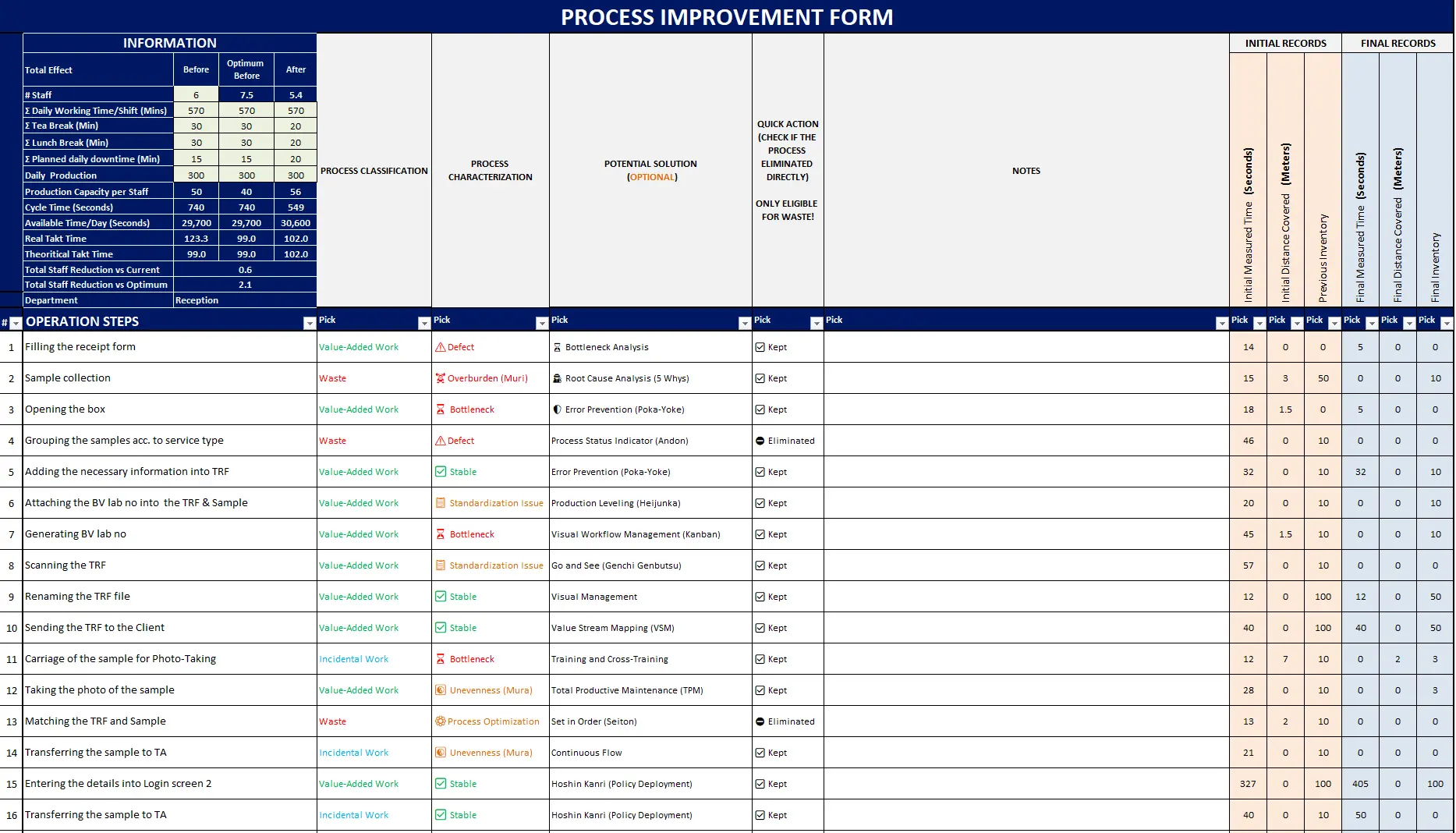
Personal Growth

The Myth of the "Super-Manager": Why Soft Skills Are Failing Without Hard Data

Leadership training often fails because it relies on willpower rather than visibility. Discover how STRASYS operationalizes abstract concepts like empathy, delegation, and conflict resolution by transforming them into measurable data points via COMET, Culture Module, and ATLAS.

SSTRASYS ResearchFebruary 24, 202615 mins read
The Myth of the "Super-Manager": Why Soft Skills Are Failing Without Hard Data

For decades, leadership literature has been obsessed with the concept of the "Super-Manager", a mythical figure who possesses perfect empathy, masters delegation, resolves conflicts instantly, and drives high performance simultaneously.

Companies spend millions on soft-skill training, yet the same problems persist: toxic cultures, burnt-out managers, and stalled operational execution.

The problem is not that managers don't know these skills are important; the problem is that they lack the operational visibility to execute them. You cannot manage what you cannot measure.

STRASYS replaces the reliance on "subjective intuition" with "algorithmic governance." Here is how we transform the three pillars of leadership, Empathy, Delegation, and Conflict Resolution, from vague ideals into hard operational metrics.

1. Operationalizing Empathy: The Culture Module Protocol

Traditional advice tells managers to "be more empathetic." But a manager with low self-awareness (or a high ego) often believes they are already empathetic. They have a blind spot.

STRASYS Culture Module removes this blind spot by turning culture into a programmable diagnostic engine.

  • The Bottom-Up Reality: Instead of relying on a manager's self-perception, the module creates a structured environment for employees to evaluate their direct managers using intuitive "Agreement Sliders".
  • The "RCA Trigger" Protocol: Empathy is no longer optional. If a manager's score falls below the <70 threshold in categories like "Fairness" or "Emotional Maturity," the system triggers an automatic "Red Alert".
  • Forced Governance: This isn't just feedback; it's intervention. The system blocks "business as usual" and notifies the N+1 Manager (the boss's boss), forcing them to intervene. The manager is then required to select a pre-set "Root Cause Analysis" (RCA) and commit to a specific Action Plan, ensuring that behavioral gaps are treated with the same rigor as financial gaps.

2. Solving the Delegation Crisis: COMET & ATLAS

Why do leaders fail to delegate? Often, it is fear, fear that the team member isn't ready. This fear stems from a lack of data. "I think John is good at Excel" is a gut feeling; "John is a Level 2 Expert" is a fact.

STRASYS solves the delegation paralysis through COMET (Competency Matrix Engine) and ATLAS (Structure Visualization).

  • The Standardized Proficiency Protocol: We eliminate the ambiguity of resumes by enforcing a strict 3-Level Proficiency Logic across the enterprise.
    • Level 0 (Basic): Needs supervision.
    • Level 1 (Advanced): Independent execution.
    • Level 2 (Expert): Qualified to mentor others.
  • Data-Driven Delegation: When a leader looks at the COMET Heatmap, they can instantly identify who has "Level 1" or "Level 2" proficiency. Delegation shifts from a risky bet to a calculated decision.
  • Span of Control: Furthermore, the ATLAS module visualizes the "Span of Control," exposing managers who are hoarding tasks or have too many direct reports ("Single Points of Failure"), enabling data-driven organizational redesign.

3. Conflict Resolution: The Objectivity of Performance

Workplace conflict often arises from subjective interpretations of performance. "I worked hard" vs. "You didn't deliver." These arguments are endless because they lack a shared reality.

STRASYS Performance (Performance Management Framework) acts as the objective referee.

  • The "One-Click" Instantiation: By automating the cascading of goals based on Hierarchy Tiers, the system ensures that every employee knows exactly what is expected of them.
  • Auto-Evaluation Engine: The system removes subjectivity from scoring. Users enter "Actual" data, and the engine applies pre-configured logic (Weight x Score) to calculate the result instantly.
  • Transparent Justice: When performance is calculated via a "5-Dimensional Logic" (including Thresholds and Time-Bound metrics), there is no room for debate. Conflict is resolved not by the loudest voice, but by the data.

Conclusion: From Personality to Process

A good leader is not just a charismatic personality; they are an architect of systems. By utilizing STRASYS®, organizations move beyond the "Myth of the Super-Manager." We don't ask leaders to be perfect; we give them the tools, Culture Module, COMET, and Performance, to be transparent, objective, and effective.

Stop hoping for better leaders. Engineer them.

You Can't Manage What You Can't Measure.

Map Your Talent.

care@strasysglobal.com
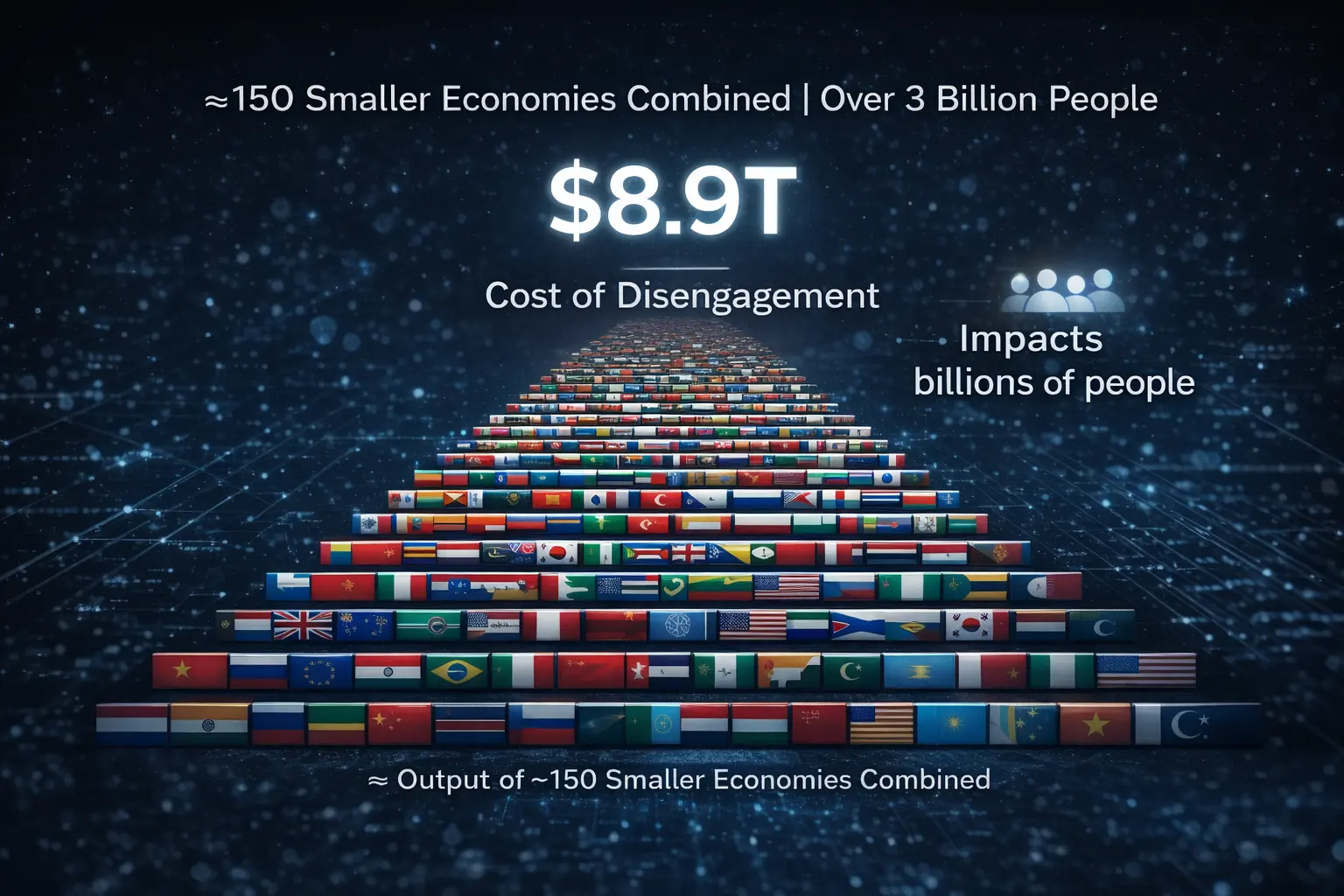
Personal Growth

The Human Variable: Why Emotional Intelligence Needs a System, Not Just Willpower

Even the best leaders have bad days. Discover why relying solely on personal self-regulation fails and how STRASYS Culture Module provides the structural governance needed to manage workplace relationships objectively.

SSTRASYS ResearchFebruary 15, 202610 mins read
The Human Variable: Why Emotional Intelligence Needs a System, Not Just Willpower

In the fast-paced world of business, your personality and relationships often have more impact than your IQ or professional training. Reacting impulsively can harm not only yourself but also those around you. While seeking quick relief might be tempting, decisions made in haste can lead to long-term regret.

Understanding the various factors that influence your reactions, from how you start your day and your energy levels to your physical health, is the first step. Even the most composed individuals can find their reactions vary based on these biological and environmental factors.

However, relying on willpower alone is risky. What happens when a manager is too stressed to "manage their emotions"?

The Limit of Human Self-Control

Dr. Jane Smith notes, "Controlling your reactions is about addressing underlying issues constructively." But in a high-pressure corporate environment, "constructive" often gives way to "reactive."

This is where Institutional Governance must step in. You cannot build a consistent culture on inconsistent human moods. STRASYS® replaces the reliance on "good days" with a framework of Behavioral Quality Assurance.

1. Objectivity Over Subjectivity (Culture Module)

"Don’t Take Things Personally."

Easier said than done. STRASYS Culture Module operationalizes this advice. By using anonymous "Agreement Sliders" instead of confrontational feedback forms, the system removes the personal sting from evaluation. It aggregates data to show trends, not isolated incidents, helping leaders see the "Negative Trend" vs. "One-Time Event" without emotional bias.

2. Preventing Rash Decisions (N+1 Governance)

"Review Thoroughly Before Acting."

When stress reduces effective IQ, humans tend to skip this step.STRASYS enforces it. The N+1 Governance Protocol acts as a circuit breaker. If a behavioral score drops (e.g., due to a manager's impulsive hostility), the system triggers a "Red Alert" to the upper management. It blocks immediate, rash reactions and forces a structured Root Cause Analysis (RCA). The system literally forces the "pause and review" process that stressed humans often forget.

3. Valuing Relationships Mathematically (STAR)

Trust takes years to build. To ensure it is valued, it must be measured.STRASYS STAR engine ensures that "Relationships" are weighted as heavily as "Results." By calculating a Holistic Value Score that combines Performance (Performance) with Emotional Intelligence (EQ), the system ensures that a leader cannot destroy relationships to hit a KPI target.

Conclusion

A healthy lifestyle and self-awareness are vital for every professional. But for an organization, they are variables, not constants. STRASYS® turns emotional intelligence from a personal effort into an organizational standard, ensuring that even on your worst day, the culture remains secure.

Ready to diagnose your organization?

Stop guessing the rhythm of your business.

care@strasysglobal.com
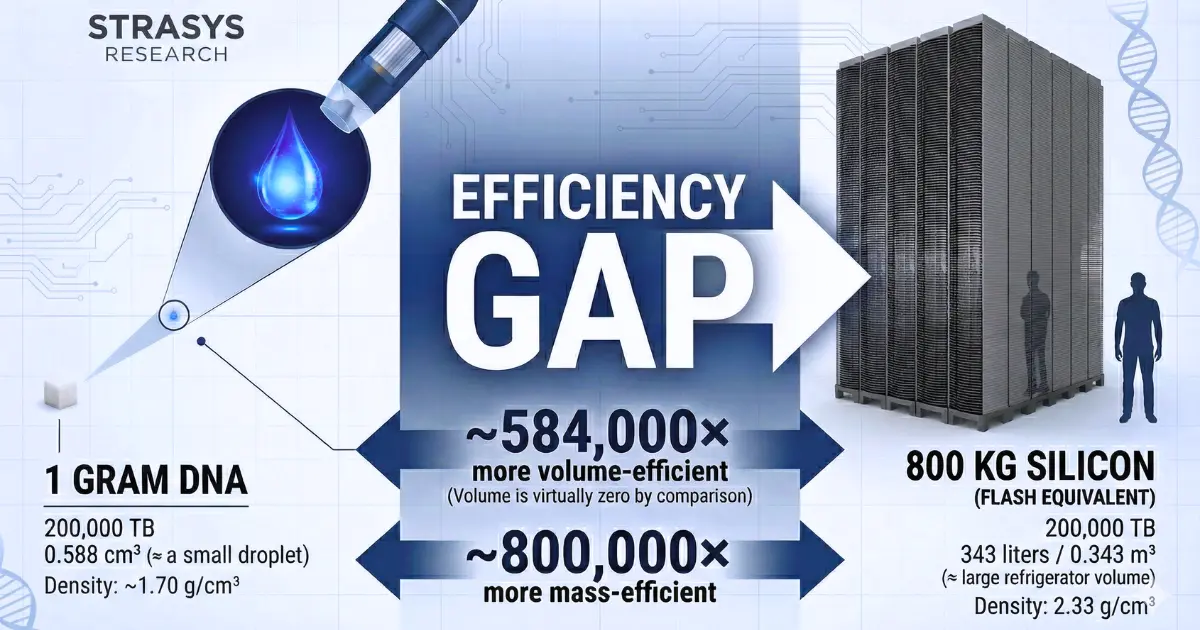
Workplace Dynamics

The Algorithmic Bridge: Engineering Cultural Intelligence in Global Operations

In today's globalized business environment, the role of regional leaders is more complex and challenging than ever before.

SSTRASYS ResearchFebruary 7, 202615 mins read
The Algorithmic Bridge: Engineering Cultural Intelligence in Global Operations

Introduction: Culture is an Operating System

In international business, we often rely on frameworks like Erin Meyer’s Culture Map to understand why a Japanese manager struggles with a Swedish team, or why an American executive offends a French partner. While these theories explain why conflict happens, they rarely tell you how to fix it operationally.

In large, high-attrition organizations, relying on individual managers to "sense" cultural nuances is a failing strategy. You cannot scale intuition.

At STRASYS®, we believe Cultural Intelligence (CQ) must be embedded into the system itself. Here is how we operationalize culture using data, logic, and early detection algorithms.

1. Solving the "Context Trap" with Algorithmic Clarity (Performance)

  • The Theory (Meyer): Cultures act on a spectrum of High Context (Implicit, "Read the air" , e.g., Japan) vs. Low Context (Explicit, "Say what you mean" , e.g., USA, Germany). Friction occurs when instructions are misinterpreted due to these invisible rules.
  • The STRASYS® Solution: Mathematical Universalism.The Performance Module eliminates cultural ambiguity. By using 5-Dimensional Calculation Logic (Target Based, Threshold, Boolean, etc.), the system creates a universal language.
    • The Shift: A goal in STRASYS® is not a "suggestion" open to cultural interpretation; it is a binary or calculated fact.
    • The Outcome: Whether a team prefers consensus or hierarchy, the definition of success (KPI) remains 100% rigid and visible. The system forces "Low Context" clarity even in "High Context" cultures, removing the "I thought you meant..." excuse.

2. Defining "Respect" Globally: The Unified Framework (Leadership)

  • The Problem: In global organizations, "Good Behavior" is subjective. "Assertiveness" might be praised in New York but seen as "Rude" in Tokyo. This creates confusion.
  • The STRASYS® Solution: A Single Source of Truth.The Leadership Module features an "Infinite Competency Framework." It allows your organization to build its own bespoke Competency Model from scratch, defining exactly what "Leadership" or "Communication" means for your company.
    • The Application: Instead of relying on local interpretations, the system enforces an Organization-Wide Skill Set.
    • The Outcome: This creates a "Third Culture", The Corporate Culture. No matter where an employee sits, the behavioral expectation is unified, documented, and transparent. The system overrides local ambiguity with a clear, global standard.

3. Detecting Friction Before the Crisis (ORBIT & Analytics)

  • The Problem: Cultural clashes usually reveal themselves too late, after a mass resignation or a failed quarter.
  • The STRASYS® Solution: The Cultural Risk Index (CRI).You don't need to know every employee personally to see a cultural mismatch. You need ORBIT Analytics.
    • The Detection: The system aggregates data across 6 reporting formats.  If a specific Region shows a spike in "Culture Drift" or a drop in "Team EQ" despite high technical performance, the system flags a specific anomaly.
    • The Scenario: A new Country Manager is appointed. Upon the completion of the first performance cycle, the "Toxic Team Indicator" lights up for that region.
    • The Logic: The system validates data over a full cycle and recognizes that while financial KPIs are stable, the cultural KPIs have collapsed during this period. This allows Headquarters to intervene with "Cultural Awareness Training" or coaching before the attrition wave hits.

Conclusion: Don't Just Teach CQ, Systematize It

In a globalized economy, relying on "soft skills" alone is a risk. Friction is inevitable, but failure is not. By using STRASYS® to standardize expectations and visualize cultural risk, you move from "managing by personality" to "managing by organizational intelligence."

Ready to safeguard your global culture?

Stop guessing. Start measuring.

care@strasysglobal.com
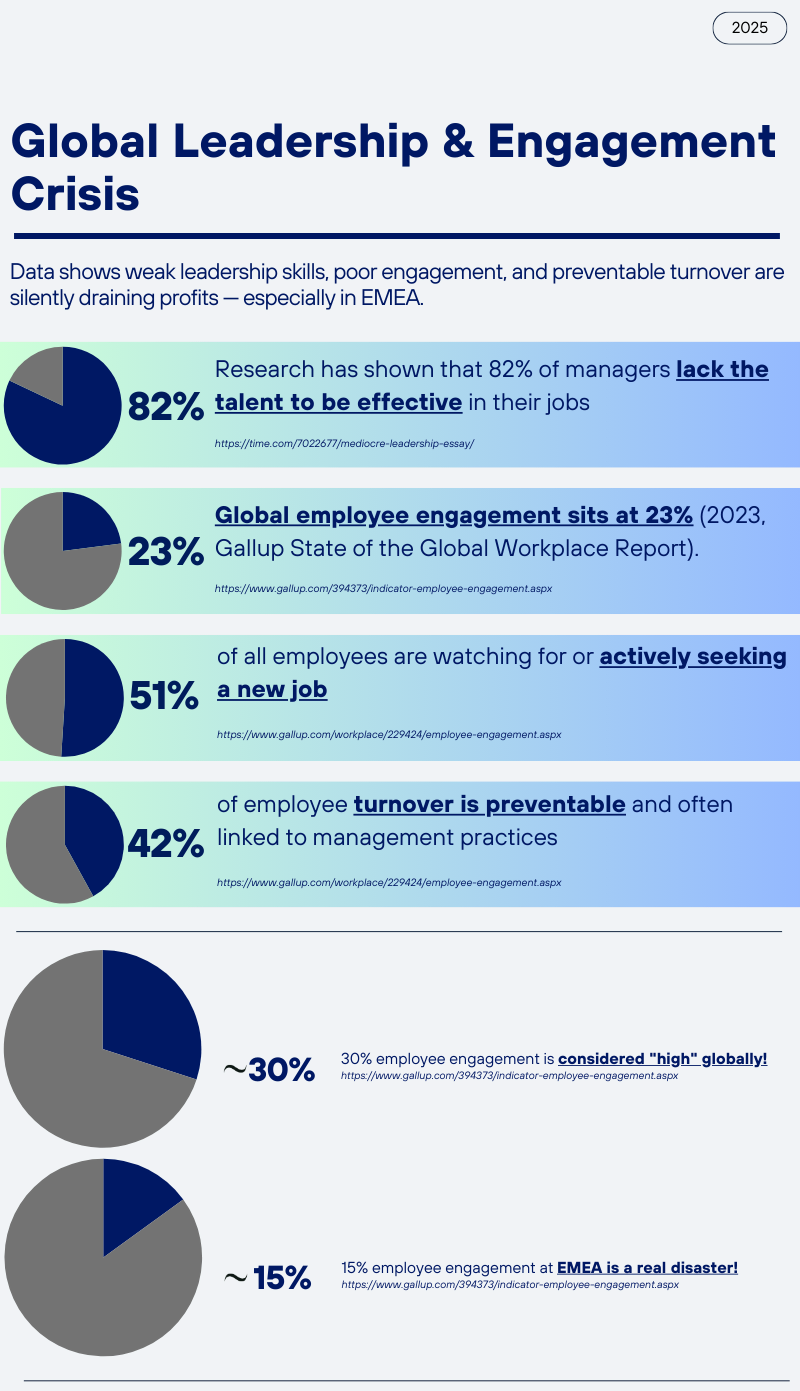
Workplace Dynamics

Rethinking Toxicity: Why the Absence of Data is the Real Root Cause

Toxicity thrives in the grey areas of subjectivity. Discover how the absence of data fuels bias, nepotism, and the "blame game," and how STRASYS uses algorithmic intelligence to protect employees, managers, and the organization simultaneously.

SSTRASYS ResearchJanuary 29, 202615 mins read
Rethinking Toxicity: Why the Absence of Data is the Real Root Cause

In recent discussions about workplace culture, the term "toxic environment" frequently emerges as a central theme. However, the root cause is often misunderstood. We tend to blame personalities, but the real enemy is subjectivity.

In the absence of data, decisions are driven by "gut feelings." And where gut feeling rules, bias, nepotism, and political maneuvering inevitably take over. STRASYS® operates on a simple premise: Without data, any environment will eventually become toxic.

Here is how replacing "Opinions" with "Algorithmic Intelligence" protects the entire ecosystem:

1. The Void of Data: Breeding Ground for Bias

One of the complexities of addressing toxicity is the "Blame Game." Individuals rarely view themselves as the source of negativity. Without objective metrics, performance reviews become popularity contests, and "culture" becomes a weapon used against those who don't fit the clique.

STRASYS eliminates this ambiguity. By utilizing the Unified Talent Algorithm, the system aggregates data from four distinct pillars (EQ, Performance, Succession, and Execution). It doesn't ask "Do you like this person?"; it calculates a weighted "Holistic Value Score." This removes the "Gut Feeling" that often leads to unfair promotions or unjustified firings.

2. Protecting the Company: The "Toxic Success" Trap

Organizations often suffer from a specific form of blindness: they value financial results over human capital. A manager might be hitting their numbers (Performance > 85), but burning out their team. In a data-poor environment, this manager is a hero. In a STRASYS environment, they are a risk.

The STRASYS ORBIT Engine detects these hidden correlations. It flags the "Toxic Team Indicator" by identifying high-performing managers who lead teams with low Psychological Safety (Low EQ). This data protects the company from long-term collapse, proving that financial success does not equal organizational health.

3. Protecting the Employee: The Voice of Governance

For employees, toxicity often feels like helplessness. If your manager is the problem, who do you tell? STRASYS Culture Module transforms vague complaints into a Clinical Quality Assurance process.

  • Beyond Surveys: It isn't just a survey; it’s an intervention engine.
  • N+1 Governance: If a manager’s behavioral score drops below 70, the system triggers an automatic "Red Alert" to the manager’s manager (N+1).
  • Forced Action: The system blocks "business as usual" and forces a Root Cause Analysis (RCA). This ensures that employee feedback isn't lost in HR files, it triggers mandatory leadership correction.

4. Protecting the High-Performer: Validating Merit

Interestingly, high-performing employees can sometimes become targets of toxic behavior. Their success creates jealousy, and they may be falsely labeled as "difficult" or "toxic" by threatened peers.

STRASYS shields these performers using Performance (Performance Management Framework) and COMET (Competency Matrix). By enforcing a Standardized Proficiency Protocol (Basic, Advanced, Expert)  and calculating hard performance metrics, the system provides an irrefutable defense of their value. When data speaks, office politics lose their power.

Conclusion: From Subjectivity to Sustainability

Rethinking toxicity requires a shift from a blame-centric approach to a data-centric one. You cannot manage what you do not measure.

STRASYS protects the Employee from bad leadership, the Manager from false accusations, and the Company from invisible risks. By operationalizing culture and removing the "Gut Feeling," we don't just fix toxicity; we engineer fairness.

Stop guessing the rhythm of your business. Operationalize it.

"Gut Feeling" is Biased.

Switch to Algorithmic Justice.

care@strasysglobal.com

Workplace Dynamics

Quantifying the Intangible: Operationalizing Emotional Intelligence in Leadership

Emotional Intelligence (EQ) is often treated as a vague "critical soft skill." Discover how STRASYS transforms EQ into a measurable operational metric, using the Culture Module to diagnose cultural gaps and the Leadership Engine to engineer behavioral change.

SSTRASYS ResearchJanuary 22, 202615 mins read
Quantifying the Intangible: Operationalizing Emotional Intelligence in Leadership

Introduction: Beyond Goleman’s Theory

When Daniel Goleman introduced Emotional Intelligence (EQ), he proved it was critical. But businesses failed to measure it accurately. It remained a "nice to have."

At STRASYS®, we believe EQ is not just a feeling; it is the Cultural Operating System of your organization. It must be designed, debugged, and governed like any other engineering system.

Here is how we operationalize EQ using the Culture Module and ORBIT engines.

1. Cloning Your Cultural DNA (Full Configuration)

  • The Problem: Standard EQ tests use generic questions that don't reflect your company's unique values.
  • The STRASYS® Solution: A Programmable Diagnostic Engine.We don't force a standard template. The Culture Module is built to be a perfect reflection of your organization's specific DNA.
    • The Architecture: You define 8 Custom Categories relevant to your strategy (e.g., "Agility," "Radical Candor").
    • The Precision: Under each category, you configure 4 specific questions, totaling 32 behavioral indicators.
    • The Outcome: You aren't measuring generic "kindness"; you are measuring alignment with your specific corporate constitution.

2. The "Red Alert" Protocol: Enforcing N+1 Governance

  • The Problem: In traditional surveys, a bad leadership score is just a "feedback report" that gets ignored.
  • The STRASYS® Solution: Forced Intervention & Structured RCA.Our system removes the option to ignore bad culture.
    • The Lock: If a leader's score falls below the threshold (e.g., 70/100), the system triggers an automatic "Red Alert" and locks the process.
    • The Governance: The diagnosis is not left to the manager in question. The N+1 Manager (The Manager's Boss) is required to intervene.
    • The Diagnosis: To ensure speed and consistency, the company pre-loads "Pre-Set Root Cause Analysis" options. The N+1 Manager selects the likely cause (e.g., "Micromanagement") from the list to standardize data but can also add qualitative comments to provide specific context. This blends speed with depth.

3. The "Toxic Cascade" Pattern (ORBIT Correlation)

  • The Problem: The "Pressure Cooker Effect." A high-performing senior leader may be achieving results by creating unbearable pressure, causing their direct reports (who are also managers) to fail in their own leadership behaviors.
  • The STRASYS® Solution: The Toxic Team Indicator.Using the ORBIT Module, we cross-reference the Manager's Performance with their Team's Leadership Scores.
    • The Formula: Manager Performance > 85 (High Results) AND Direct Reports' Avg EQ < 70 (Broken Leadership Chain).
    • The Meaning: This pattern reveals a systemic risk: The leader at the top is winning, but the pressure they apply is turning their subordinates into "toxic managers," destroying the layer below. The toxicity is cascading down.
    • The Outcome: The system flags this mismatch instantly, warning that the current financial success is cannibalizing the organization's future leadership capacity.

Conclusion: Empathy is an Operational Discipline

To build a world-class culture, you must stop treating EQ as an art form and start treating it as a quantifiable science. Don't just hope for better leaders. Engineer them through strict governance and data correlation.

Stop managing by feel.

Start managing by facts.

care@strasysglobal.com

Personal Growth

Managing Upwards: Replacing Office Politics with Algorithmic Precision

"Managing Up" has traditionally been about pattern recognition and office politics. STRASYS renders this obsolete by aligning leaders through the ORBIT Risk Engine, SPECTRA’s Single Source of Truth, and Execution’s strategic cascade.

SSTRASYS ResearchJanuary 13, 202615 mins read
Managing Upwards: Replacing Office Politics with Algorithmic Precision

In the traditional corporate world, "Managing Upwards", the art of aligning with and influencing upper management, is considered a soft skill. It involves reading the room, deciphering your boss's cryptic emails, and often, playing politics to prove your worth. Leaders spend hours tailoring presentations, hoping to guess what the C-Suite wants to see.

At STRASYS®, we believe this is a waste of human intelligence. You shouldn't have to "guess" the strategic pattern; you should be plugged into it.

Successful alignment with upper management isn't about charisma; it's about speaking their language. And in the modern enterprise, that language is Risk, ROI, and Strategy. Here is how STRASYS automates the "Managing Up" process using three powerful engines.

1. Speak the Language of Risk (The ORBIT Engine)

Upper management is not interested in operational noise; they are interested in "What will kill us?" and "What will save us?"To influence them, you must present data that correlates Human Behavior with Business Risk.

  • The Toxic Success Predictor: Instead of reporting "The team is tired," use ORBIT to show the "Toxic Team Indicator." The system mathematically identifies "High Performing Managers" (Performance > 85) who are destroying their teams (EQ < 70).
  • The Flight Risk Warning: Don't say "I think people might leave." Show the "High Potential Turnover Risk" list. ORBIT correlates High Performance with Low Manager EQ to predict resignations months before they happen.
  • The Execution Performance Index (HPI): Validate your leadership by showing the HPI score. This formula, (Avg EQ + Avg Performance) * Lean Multiplier, proves to the C-Suite that your results are sustainable, not just lucky.

2. Build Instant Credibility (The SPECTRA Engine)

Nothing destroys trust faster than data discrepancies. If your Excel sheet says one thing and the Global Dashboard says another, your credibility is gone. "Managing Up" requires a Single Source of Truth.

  • Unified Reporting Architecture: STRASYS® SPECTRA eliminates data silos by aggregating performance, behavior, and execution data into standardized "Report Cards".
  • Audit-Ready Transparency: Whether the CEO is in London or the HR Director is in Istanbul, they see the exact same data.
  • Active Governance: The system highlights "Pending" or "Not Started" statuses, ensuring that you are never caught off guard. By using SPECTRA, you proactively demonstrate compliance and control, building trust without saying a word.

3. Strategic Alignment (The Execution Cascade)

The biggest friction point between middle and upper management is Strategic Misalignment. "I thought you wanted X, but you actually wanted Y."STRASYS Execution eliminates this by replacing "interpretation" with "instantiation."

  • The CEO-First Push: Strategy is no longer a suggestion. The CEO defines the "Execution Targets" (e.g., 5-Year Strategy), and the system "pushes" these as locked, mandatory objectives directly to your scorecard.
  • The CAGR Algorithm: The system automates the complex math of "Compound Annual Growth Rates." It calculates the exact "Required Annual Rate" needed to hit the 5-year goal.
  • The "Approve & Lock" Mechanism: Before data rolls up to the Global Dashboard, it passes through the "Country Approval Matrix." This ensures that what you report is validated and locked, preventing miscommunication and protecting your reputation.

Conclusion: Data is the Ultimate Influencer

Effectively influencing upper management is no longer about having the best personality in the room. It is about having the best data.

By utilizing ORBIT to predict risk, SPECTRA to ensure transparency, and Execution to lock in strategic goals, you move beyond "Managing Up." You become a strategic partner who operates with algorithmic precision.

Don't play the game. Automate it.

Align with the C-Suite: One Click, Zero Noise.

care@strasysglobal.com

Leadership & Management

From Intuition to Algorithm: Operationalizing Pattern Recognition

Stop guessing why talent leaves or why strategies fail. Discover how STRASYS ORBIT and COMET engines utilize cross-module intelligence to detect 'Toxic Success,' 'Turnover Risk,' and 'Skill Decay' patterns before they impact your bottom line.

SSTRASYS ResearchJanuary 5, 202615 mins read
From Intuition to Algorithm: Operationalizing Pattern Recognition

Ray Dalio famously said, "The ability to recognize patterns is one of the most valuable skills anyone can have."

However, in most organizations, pattern recognition is left to human intuition. Managers try to "guess" if a high-performer is unhappy or if a team is becoming toxic. At STRASYS®, we believe pattern recognition must be an algorithmic capability.

By connecting data points across Performance (Performance), Culture (EQ), and Competency (COMET), our ORBIT Engine detects hidden correlations that human eyes miss. Here are the four critical patterns STRASYS® automates:

1. The "Silent Exit" Pattern (Predictive Turnover Risk)

  • The Intuition: "I think John might be looking for a job; he seems quiet lately."
  • The Algorithm (ORBIT): The system doesn't guess; it correlates. ORBIT constantly monitors the "High Potential Turnover Risk" list.
  • ** The Formula:** It flags employees who have High Performance (Performance > 80%) but are managed by a leader with Low Emotional Intelligence (Manager EQ < 70).
  • The Outcome: This specific data pattern is the #1 predictor of resignation. The system identifies this risk months before the resignation letter lands on your desk, allowing for preemptive retention actions.

2. The "Toxic Success" Pattern (Cultural Risk Index)

  • The Intuition: "That sales team is hitting all their numbers, so everything must be fine."
  • The Algorithm (ORBIT): Revenue creates a blind spot. ORBIT detects the "Toxic Team Indicator" by comparing a Manager’s Performance against their Team’s EQ score.
  • The Formula: Manager Performance > 85 (High Results) + Team EQ Avg < 70 (Low Psychological Safety).
  • The Outcome: This pattern reveals "Result-at-all-costs" leaders who burn out their teams to hit targets. The system forces you to intervene before the culture collapses, proving that financial success does not equal organizational health.

3. The "Skill Decay" Pattern (COMET Trend Analytics)

  • The Intuition: "We did a training last year, so the team should be competent."
  • The Algorithm (COMET): Skills are not static; they atrophy. The COMET Module doesn't just take a snapshot; it visualizes the Competency Trend Dashboard (Q1-Q4).
  • The Outcome: Instead of looking at a static CV, the system recognizes directional patterns. Is the "EQ" capability of the Paris team trending up or sliding down? This allows you to differentiate between a "Gap" (never had the skill) and "Decay" (losing the skill), triggering precise Leadership interventions.

4. The "Sustainability" Pattern (Execution Performance Index)

  • The Intuition: "We hit our targets, so we are successful."
  • The Algorithm (ORBIT HPI): Success without foundation is a bubble. The Execution Performance Index (HPI) calculates the true sustainability of a country or unit.
  • The Formula: It correlates (EQ + Performance) with Lean Execution Data.
    • Example: If a country has high financials but 0% Lean execution and Low EQ, ORBIT classifies this pattern as "Unsustainable / Luck."
    • Example: High Financials + High Lean + High EQ is classified as "Balanced Excellence."
  • The Outcome: This prevents "Green-Shifting." It tells the CEO not just what happened, but how it happened, and if it can be repeated next year.

Conclusion: Don't Just Connect People, Connect Intelligence

True organizational intelligence isn't about having data; it's about seeing the invisible lines between that data. STRASYS® moves you from "Managing by Hindsight" to "Leading by Pattern Recognition."

Stop guessing the rhythm of your business. Operationalize it.

Ready to diagnose your organization?

Stop guessing the rhythm of your business.

care@strasysglobal.com

Where to start

Do you need guidance?

Audit, the full fix, or the end-to-end transformation. Pick where you start — every path is one connected build.

01Start here
Digital Audit
Know exactly where you stand.
Your whole digital presence measured against 150+ points, delivered as a 30+ page report with every finding graded and sequenced.
  • 150+ point audit across 16 areas
  • Speed, security, compliance, AI visibility
  • Knowledge graph & marketplace review
  • A 30+ page report you can act on
One-time · credited toward a build
Book an audit →
02Most chosen
Fix & Semantic Build
Every issue fixed and your semantic foundation built, together with you.
Not a list of problems. Every finding and warning from the audit gets resolved, A to Z across your whole digital presence, and handed back working.
  • Everything in Digital Audit
  • Every finding & warning resolved, not just flagged
  • Security, compliance, SEO, schema, speed - all fixed
  • The fixed, working result delivered to you
  • Re-audited: before and after, proven
The complete fix, delivered
Start audit & fix →
03The core build
Transformation
A positioned, working company.
The deep, end-to-end build: bespoke software on your real process, AI where it earns its place, the full A to Z.
  • Everything in Fix & Semantic Build
  • Bespoke software & automation
  • Demand, conversion, brand & content
  • Your audit fee credited to the build
Project · written scope
Scope a transformation →
04For companies
Software Solutions
The STRASYS® apps and Platform for your whole team.
Reflections, Leadership, Culture, Lean, Execution, Tools and the STRASYS Platform: company purchase and seat plans, a live team demo, fit with your process, first setup and data import.
  • Seat plans on Google Play, one app, the whole set or the Platform
  • Live walkthrough with your team
  • Setup: sites, employees, roles, data import
  • Support, billing and account help: no call needed
None of these fit?

Write to us and we will point you to the right path.

care@strasysglobal.com